Athlete Recovery Services at Upton Triathlon

LIVEWELL Health Delivers Athlete Recovery Services at Upton Triathlon 2026

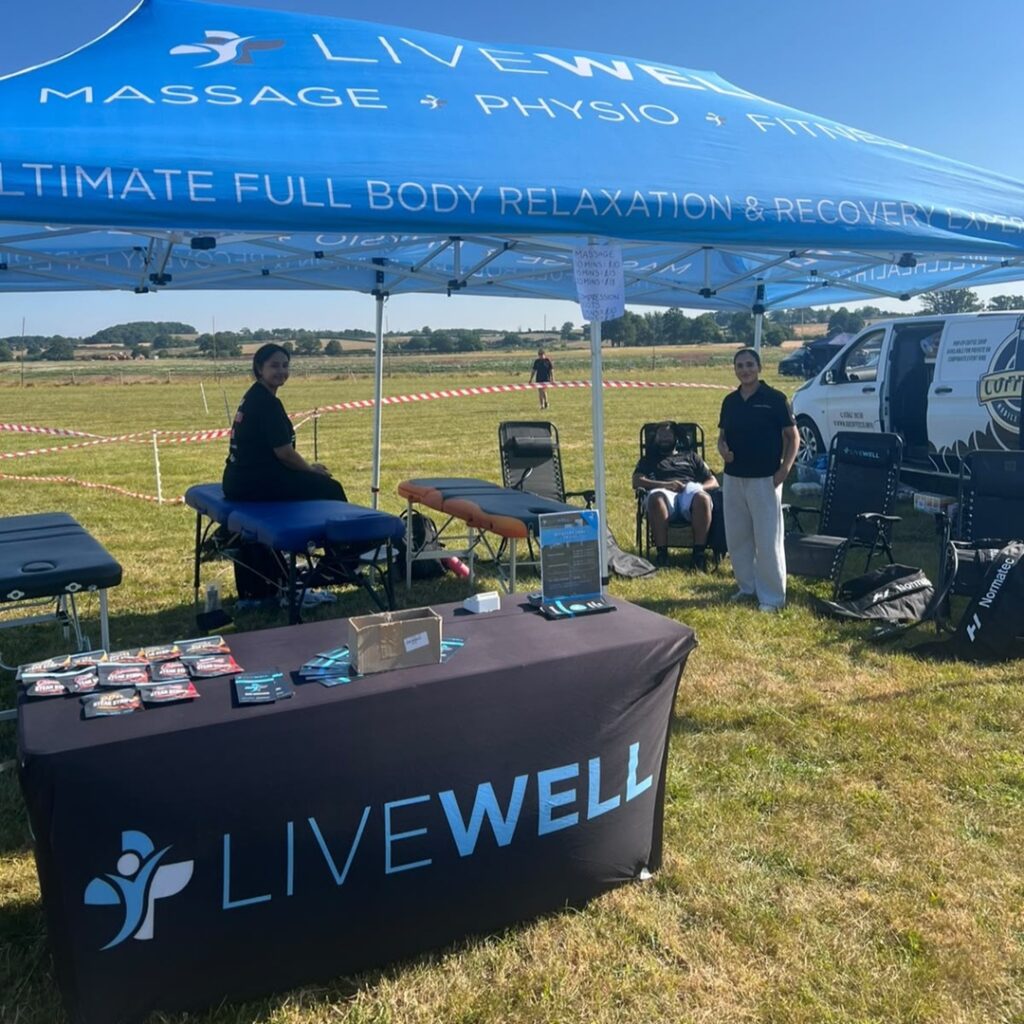
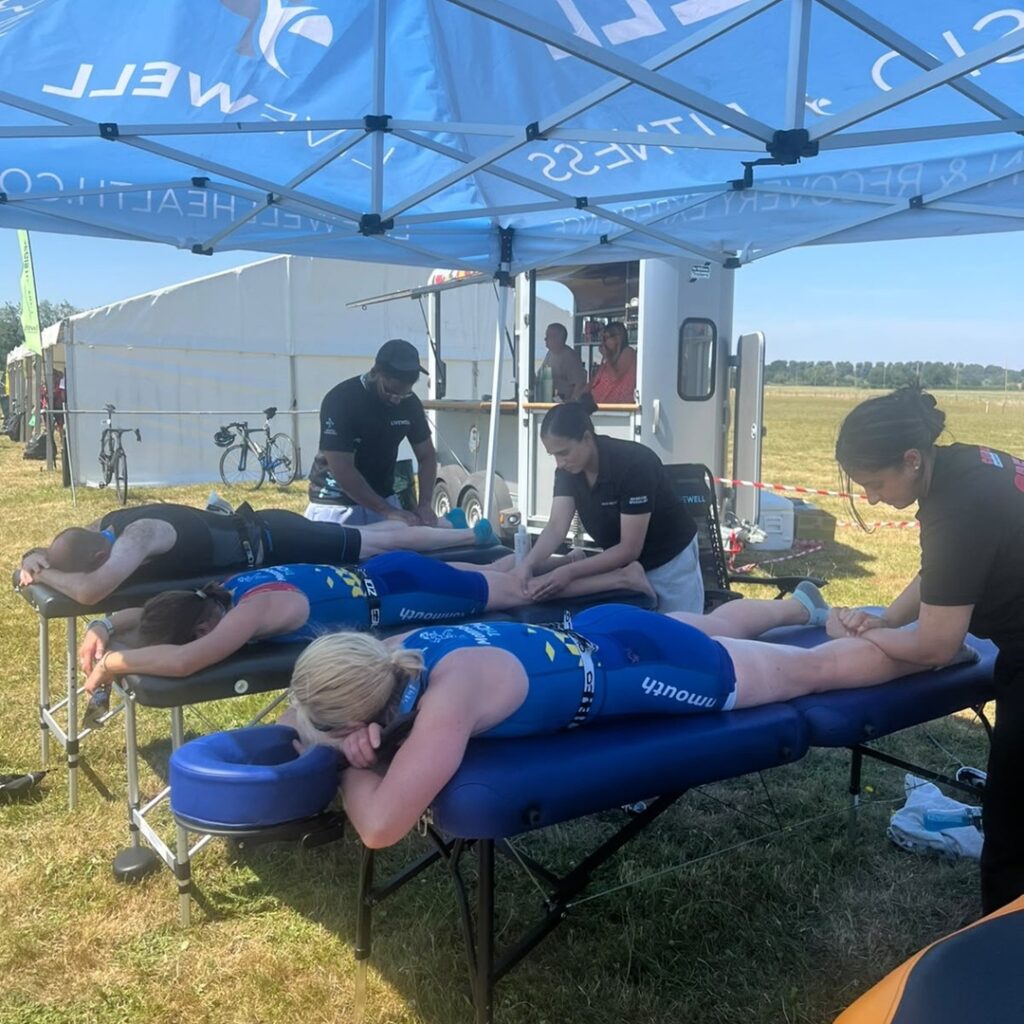
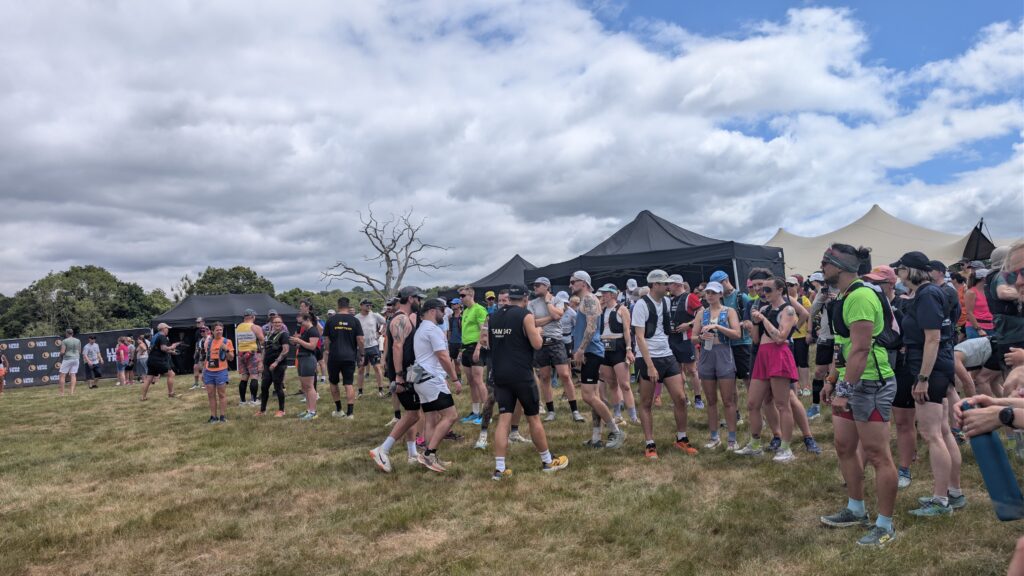
LIVEWELL Health was delighted to attend the Upton Triathlon 2026 in Worcester, where our experienced team provided professional athlete recovery services to around 400 competitors taking on one of the region’s most popular endurance events. With glorious sunshine throughout the day and an incredible atmosphere from start to finish, it proved to be another fantastic opportunity to demonstrate how dedicated recovery services can enhance both the participant experience and the overall quality of an event.

Arriving early to set up our dedicated LIVE|Recover Recovery Hub, our team created a welcoming recovery area designed to help athletes recover safely and effectively after completing their swim, cycle and run. Throughout the day our therapists remained consistently busy, supporting competitors as they crossed the finish line and began their post-race recovery.

Upton Triathlon Recovery Services with Physiotherapy and Sports Massage

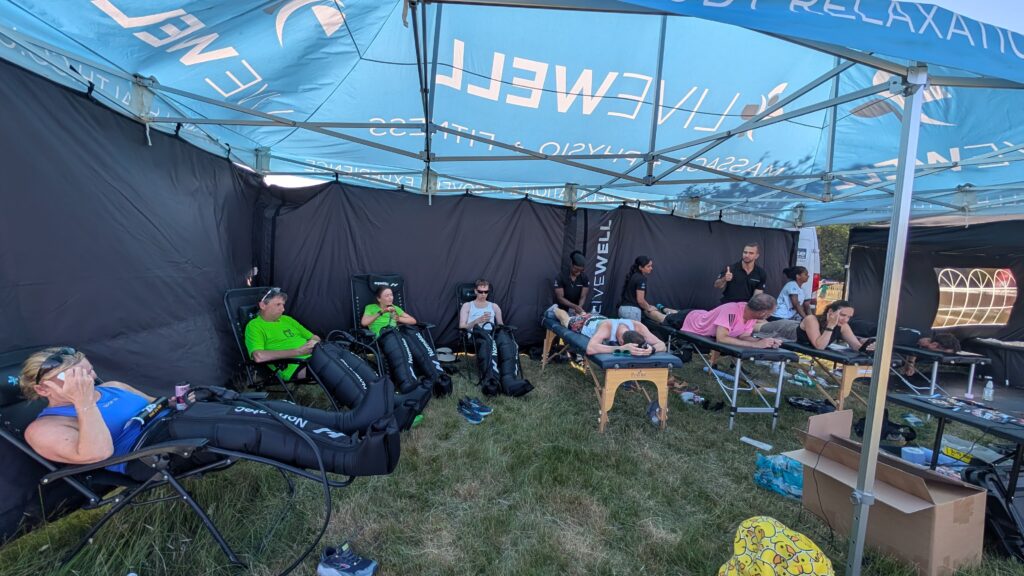
Our recovery hub offered a comprehensive range of professional services, including event physiotherapy, sports massage, taping and strapping, Normatec compression boot therapy, injury assessment, recovery advice and on-site medical support. Whether competitors were experiencing muscle fatigue, cramping, stiffness or minor injuries, our highly qualified physiotherapists and sports therapists were on hand to provide immediate treatment and expert guidance.

Compression boot therapy once again proved to be one of the most popular recovery options available. Using state-of-the-art pneumatic compression technology, athletes were able to reduce muscle soreness, improve circulation and accelerate recovery after the demands of racing. Alongside this, sports massage treatments helped relieve muscular tension, improve flexibility and promote faster recovery, allowing many competitors to leave the event feeling significantly more comfortable than when they first crossed the finish line.

The exceptionally warm weather also highlighted the importance of providing comprehensive recovery facilities at endurance events. Hydration, cooling strategies and effective recovery become increasingly important when athletes are competing in high temperatures, making professional recovery support an invaluable addition to any race day experience.

One of the biggest benefits of having an on-site recovery hub is the immediate access competitors have to qualified healthcare professionals. Rather than leaving an event unsure whether a niggle is simply post-race fatigue or something more serious, athletes can receive prompt assessment, reassurance and practical advice from experienced clinicians. In many cases, simple interventions such as massage, taping, compression therapy or movement advice can significantly reduce discomfort and support a quicker return to training.

For event organisers, providing professional recovery services also demonstrates a commitment to participant welfare. Today’s athletes increasingly expect more than just a finish medal, they value events that invest in their wellbeing before, during and after competition. A dedicated recovery area not only enhances the participant experience but also encourages positive reviews, repeat entries and recommendations to fellow athletes.

LIVEWELL Health continues to support sporting events throughout the UK, Europe and the Middle East with bespoke recovery solutions suitable for events of every size. From local triathlons and half marathons to ultra-endurance races, cycling tours, obstacle races and international sporting events, our award-winning LIVE|Recover Recovery Hub can be tailored to meet the specific needs of organisers and participants alike.

Our services include sports massage, physiotherapy, sports therapy, event medical cover, medical acupuncture and dry needling, taping and strapping, Normatec compression systems, lymphatic drainage chairs, stretching and mobility zones, foam rolling areas, percussion therapy, ice baths, hot recovery saunas and much more.

Event Sports Massage and Event Physiotherapy Services at Upton Triathlon in Worcester

A huge thank you goes to the organisers of the Upton Triathlon for welcoming our team and for delivering another superb event in the heart of Worcestershire. It was a pleasure to support so many dedicated athletes throughout the day, and we look forward to returning to help even more competitors recover, perform and enjoy the benefits of professional event recovery services in the future.

If you are interested in having event recovery services from physiotherapy, massage through to medical services then please get in contact with us.

VIP Backstage Wellbeing at EddFest 2026

LIVEWELL Health Delivers VIP Backstage Wellbeing at EddFest 2026, Knebworth

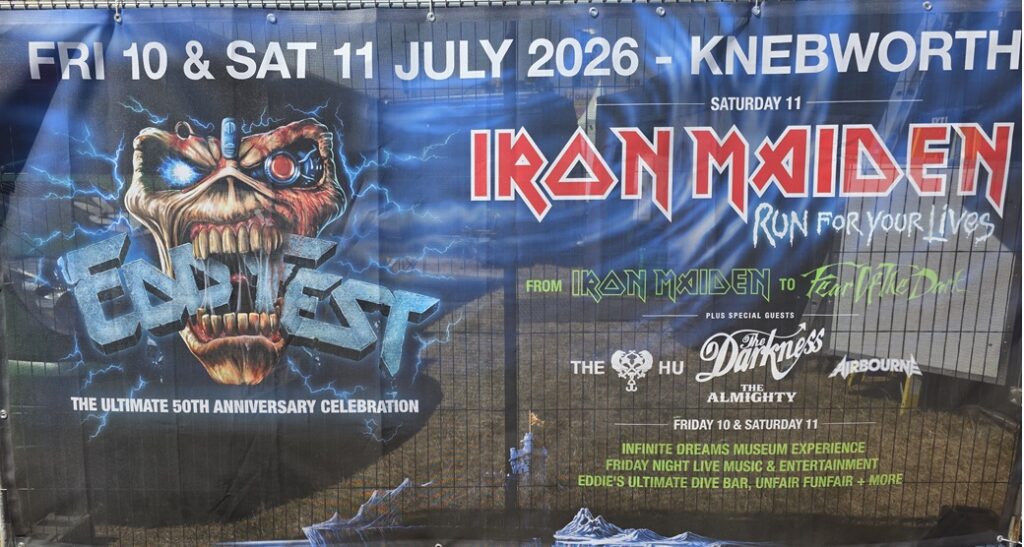
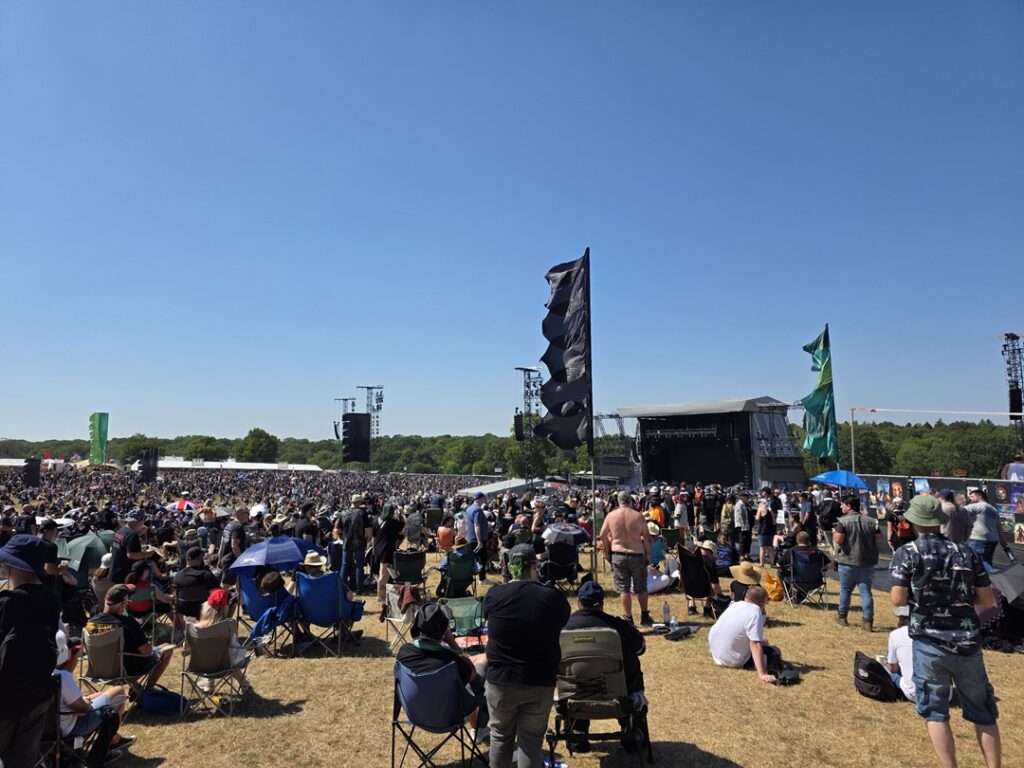
LIVEWELL Health was proud to be invited by the organisers of EddFest 2026 at the iconic Knebworth venue to provide professional backstage massage and wellbeing support during what was a truly unforgettable celebration. With the event marking Iron Maiden’s 50th Anniversary, the atmosphere throughout the day was nothing short of incredible, bringing together legendary musicians, family, friends and VIP guests to celebrate one of the world’s most influential rock bands.

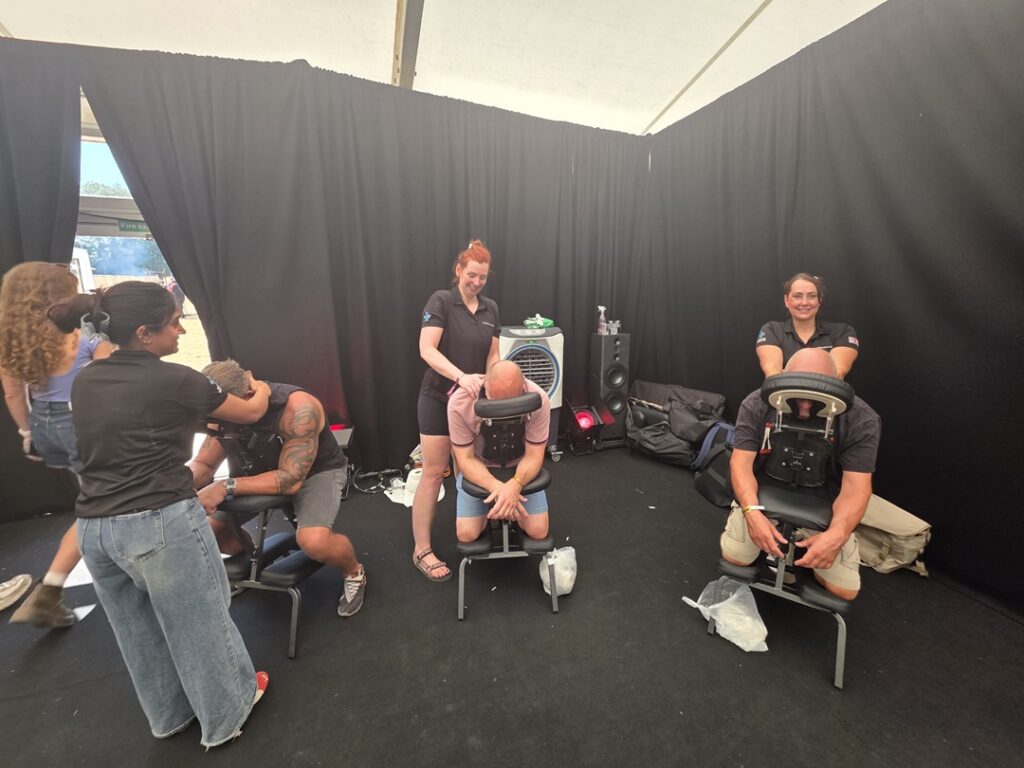
Our role at the event was to create a dedicated VIP wellbeing and massage area within the exclusive Iron Maiden Family & Friends hospitality space. Equipped with three professional massage chairs and staffed by experienced sports massage therapists, our team spent the day ensuring that guests could relax, unwind and recharge while enjoying the celebrations.

While backstage physiotherapy and massage are often associated with supporting performers before and after taking to the stage, our focus at EddFest extended beyond the artists themselves. We were honoured to look after the people who matter most to the band—their family members, close friends and VIP guests—providing professional seated massage treatments designed to reduce muscle tension, relieve stress and enhance overall wellbeing throughout the event.

The feedback from guests was fantastic, with our massage chairs rarely empty as visitors took the opportunity to escape the excitement for a few moments of relaxation. It was a privilege to play a small part in such a landmark occasion and to work alongside so many talented individuals behind the scenes.

EddFest 2026 Banner

Festival Wellbeing That Goes Beyond Massage

Events such as EddFest demonstrate how important wellbeing has become within the live events industry. Whether supporting performers backstage or creating dedicated relaxation spaces for guests, investing in health and wellbeing enhances the overall festival experience for everyone involved.

LIVEWELL Health specialises in delivering bespoke festival wellbeing areas, offering far more than massage alone. Our experienced teams can create complete relaxation and recovery zones featuring seated massage, sports massage, reflexology, compression boot therapy, foot massagers, recovery lounges, mindfulness spaces, stretch and mobility areas and dedicated chill-out zones designed to help guests recharge during busy events.

These wellbeing spaces are ideal for music festivals, food festivals, corporate events, exhibitions, sporting events and community celebrations, helping organisers provide an experience that truly stands out while encouraging visitors to stay longer, feel better and enjoy every moment.

EddFest Festival Iron Maiden

Supporting Bands, Artists, Cast and Crew

In addition to public wellbeing areas, LIVEWELL Health is one of the UK’s leading providers of backstage physiotherapy and artist wellbeing services. Our experienced physiotherapists, sports therapists and massage therapists regularly support musicians, performers, production teams and event staff who spend long hours on their feet, travelling or working in demanding environments.

Our backstage services can include sports massage, deep tissue massage, physiotherapy, injury assessment, dry needling, medical acupuncture, taping and strapping, recovery advice and mobility treatments, ensuring artists and crew remain comfortable and ready to perform at their best throughout tours and live events.

Whether supporting a headline act before they walk on stage, helping production crews recover after long shifts or providing a quiet wellbeing space away from the crowds, our team brings professionalism, discretion and clinical expertise to every event.

EddFest 2026 was a fantastic experience and one we were incredibly proud to be part of. We would like to thank the organisers for trusting LIVEWELL Health to deliver wellbeing support during such a special celebration, and we look forward to working with more festivals, touring productions and live entertainment events across the UK and Europe in the future.

Backstage Massage at EddFest Festival for Iron Maiden

If you’re looking to elevate your next event with a professional festival wellbeing zone, VIP massage area, backstage physiotherapy service or a complete artist and crew recovery package, LIVEWELL Health has the experience, equipment and nationwide team to deliver an exceptional service from start to finish.

Contact our team if you are interested in finding out more information.

Livewell at the Luna Trail Ultra Marathon

LIVE|Recover Supports Over 500 Athletes at the Luna Trail Ultra Marathon Series with Elite Recovery Services

The Luna Trail Ultra Marathon Series once again proved why it is becoming one of the UK’s leading trail running events, bringing together hundreds of runners over an incredible three-day weekend of endurance, determination and achievement. As runners pushed themselves across challenging trail routes, LIVEWELL Health was proud to be on-site with our flagship LIVE|Recover Recovery Hub, providing professional recovery services to more than 500 participants throughout the weekend.

Unlike many sporting events where recovery services are offered as an optional paid extra, the organisers of the Luna Trail Ultra Marathon Series took a different approach. They fully funded the entire recovery hub, ensuring every participant had access to world-class recovery treatments without any additional cost. It demonstrated a genuine commitment to athlete wellbeing, recovery and performance, creating an experience that extended far beyond simply crossing the finish line.

Athlete Recovery services across the uk

What is the LIVE|Recover Recovery Hub?

The LIVE|Recover Recovery Hub is one of the UK’s most comprehensive mobile athlete recovery facilities, designed specifically for endurance events, sporting festivals, elite competitions and mass participation races.

Rather than offering just a sports massage tent, our recovery hub recreates the type of recovery environment normally reserved for professional athletes competing at the highest level.

Throughout the Luna Trail Ultra Marathon Series, participants had access to:

  • Elite Sports Massage delivered by qualified Sports Therapists and Physiotherapists
  • Injury Assessment and Musculoskeletal Advice
  • Sports Taping and Strapping
  • Medical Acupuncture and Dry Needling
  • Ultrasound
  • TENS Therapy
  • Hyperice Normatec Compression Boots
  • Hyperice Lymphatic Drainage Chairs
  • Ice Bath Recovery
  • Hot Steam Saunas
  • A dedicated Stretch and Recovery Zone
  • Vibrating Foam Rollers
  • Therapy Bands
  • Percussion Massage Guns
  • Vibrating Trigger Balls

Every element of the recovery hub has been carefully selected to help reduce muscle soreness, encourage circulation, improve mobility and support the body’s natural recovery processes after prolonged physical exertion.

Why Recovery Matters at Ultra Marathon Events

Completing an ultra marathon places enormous physical demands on the body.

Trail running adds additional challenges including uneven terrain, prolonged climbs, technical descents and continuous stabilisation work from the muscles surrounding the hips, knees and ankles. By the time runners cross the finish line, many have accumulated significant muscle fatigue, soft tissue tightness, inflammation and joint stiffness.

Recovery is therefore not a luxury—it is an essential part of endurance sport.

Professional recovery interventions can help participants begin recovering immediately after finishing, potentially reducing delayed onset muscle soreness (DOMS), improving circulation and helping athletes return to normal movement far more quickly than passive rest alone.

Our team spent the weekend assessing individual athletes before recommending the most appropriate recovery pathway based on their symptoms, race distance, previous injuries and immediate recovery goals.

Some runners benefited from sports massage combined with compression therapy, while others required taping support before attempting another race the following day. Others simply needed guidance on stretching, mobility and recovery strategies to minimise stiffness during the journey home.

Elite Recovery for Every Athlete

One of the things that makes LIVE|Recover unique is that every participant receives the same level of treatment whether they are an elite athlete competing for podium positions or a first-time trail runner completing a personal challenge.

Our Sports Therapists and Physiotherapists regularly work with elite sporting organisations, professional athletes and international events throughout the UK and Europe.

Bringing that same standard of care directly into a trail running environment allows everyday athletes to experience professional recovery techniques that many would never normally have access to.

Over the course of the weekend, hundreds of runners experienced first-hand how effective immediate recovery interventions can be, with many commenting on how much easier they felt walking, travelling and recovering afterwards.

More Than Massage – A Complete Athlete Recovery Experience

Many events offer post-race massage, but recovery today is far more comprehensive than simply treating tired muscles.

The LIVE|Recover Recovery Hub combines multiple evidence-informed recovery modalities within one integrated environment.

Compression therapy using Hyperice Normatec Boots helps promote circulation through dynamic air compression, assisting tired legs after long-distance running.

Our Hyperice Lymphatic Drainage Chairs provide gentle sequential compression to encourage lymphatic movement and help reduce feelings of heavy, fatigued legs.

Ice baths remain one of the most recognised recovery methods for managing inflammation and helping athletes cool down following prolonged exertion.

Conversely, our hot steam saunas support muscle relaxation, circulation and general wellbeing for athletes who benefit from heat therapy after racing.

Combined with stretching, mobility work, percussion therapy, foam rolling and hands-on treatment, participants receive an individualised recovery programme rather than a one-size-fits-all solution.

Supporting Athlete Wellbeing

Modern endurance events increasingly recognise that athlete wellbeing extends beyond race timing chips and finish medals.

Providing access to professional recovery services demonstrates that organisers genuinely care about participant welfare before, during and after competition.

Many runners spend months preparing for an ultra marathon.

Supporting them once they finish is equally important.

The Luna Trail Ultra Marathon Series recognised this by investing in athlete care rather than expecting runners to pay separately for treatment after already investing in race entry fees, travel and accommodation.

The response throughout the weekend clearly reflected how much participants appreciated having recovery available as part of the overall event experience.

Why Event Organisers Should Invest in a Recovery Hub

From an event organiser’s perspective, providing an elite recovery area delivers benefits far beyond athlete satisfaction.

Firstly, it significantly enhances the participant experience.

When runners know they will receive professional recovery support at the finish line, it adds genuine value to their race entry and helps distinguish one event from another.

Secondly, it encourages participants to spend longer within the event village after finishing.

Rather than leaving immediately, athletes remain on-site recovering, interacting with exhibitors, supporting fellow runners and enjoying the wider event atmosphere.

Thirdly, a dedicated recovery hub creates excellent visual content for marketing and social media.

Professional treatment areas, ice baths, compression therapy, recovery equipment and athlete interaction provide engaging imagery that demonstrates the event’s commitment to excellence.

Finally, investing in athlete recovery positions an event alongside the standards expected at elite competitions.

Professional recovery services communicate quality, professionalism and attention to detail—qualities increasingly expected by today’s endurance athletes.

Recovery That Reflects the Prestige of the Event

In an increasingly competitive events industry, organisers are continually looking for ways to differentiate their races.

A professionally managed recovery hub instantly elevates the perception of an event.

Participants notice the difference.

Sponsors notice the difference.

Volunteers notice the difference.

Most importantly, runners remember the difference.

Offering recovery facilities comparable to those used by professional athletes creates an experience that competitors are far more likely to recommend and return to in future years.

For many participants at the Luna Trail Ultra Marathon Series, the recovery hub became one of the most talked-about aspects of the weekend.

Over 500 Athletes Supported Across Three Days

Across the three-day event, the LIVE|Recover team treated and supported more than 500 athletes, delivering thousands of individual recovery interventions across massage therapy, injury advice, compression therapy, stretching, mobility work and advanced recovery techniques.

Whether helping runners prepare for another stage, easing post-race soreness or simply offering expert advice, our team remained focused on one goal—helping every participant recover as effectively as possible.

Bringing Elite Recovery to Events Across the UK

The Luna Trail Ultra Marathon Series perfectly demonstrated how professional recovery services can transform the athlete experience.

At LIVEWELL Health, we provide our LIVE|Recover Recovery Hub at sporting events, endurance races, corporate sporting festivals, cycling events, running festivals, obstacle races, triathlons, CrossFit competitions, fitness expos and elite sporting competitions throughout the UK.

Our scalable recovery hub can support everything from small local races through to international sporting events, providing qualified Sports Therapists, Physiotherapists and recovery specialists alongside industry-leading recovery technology.

As endurance events continue to evolve, athlete experience has become just as important as the race itself. Recovery is no longer an afterthought—it is an expectation.

The Luna Trail Ultra Marathon Series embraced that philosophy by ensuring every participant had access to professional recovery without additional cost, setting a benchmark for what modern endurance events should strive to offer.

If you are an event organiser looking to elevate your event, enhance participant satisfaction and create a premium athlete experience, the LIVE|Recover Recovery Hub offers a proven solution trusted by organisers and athletes alike.

Because when the finish line is crossed, recovery is where performance truly begins.

If you are interested in getting involved and having something like this whether it be part or all of our elite recovery hub then please contact us or visit our events page, or make a booking directly on our booking page.

Luna Trail Series Event Recovery Services


Why Recovery Services Matter at Sporting Events

Why Event Recovery Services Should Not Be Treated Like Standard Event Vendors

From CrossFit competitions and marathons to football tournaments, tennis events and fitness expos, modern sporting events are evolving rapidly. Athletes and participants no longer attend events expecting only competition. They expect an experience. They expect support. They expect recovery.

Over the last decade, athlete recovery services such as sports massage, physiotherapy, compression therapy, mobility treatment and recovery zones have become a major part of the sporting landscape. Yet despite their growing importance, many event organisers still treat recovery providers in the same way they would treat a clothing stall, supplement brand or food vendor.

This is where the industry often gets it wrong.

Recovery services should not be viewed as a standard commercial vendor opportunity where providers are expected to pay for floor space and then attempt to sell treatments to exhausted athletes just to recover their costs. Instead, athlete recovery should be considered an integrated part of the event experience itself, much like medical cover, hydration stations or athlete welfare support.

The reality is simple. Recovery services directly contribute to athlete wellbeing, performance, safety and overall event satisfaction. When positioned correctly, they enhance the reputation of an event and significantly improve the participant experience.

The Difference Between Recovery Services and Standard Vendors

At most sporting events, vendors are there primarily to generate revenue through direct sales. Food companies sell meals, Clothing brands sell merchandise, Supplement brands sell products, Coffee vans sell drinks and so on.

These businesses attend events knowing that their income is generated entirely through attendee purchases. Their success depends on footfall and conversion rates.

Recovery providers operate a lot differently.

A sports massage therapist, physiotherapist or recovery team is not simply selling a product. They are delivering a physical service that directly benefits the athlete’s health, recovery and event performance. In many cases, they are helping athletes avoid injury, reduce pain, improve circulation, decrease muscle tension and support safe participation.

When an athlete finishes a marathon, a Hyrox race, a football tournament or a multi-day CrossFit competition, recovery is not a luxury add-on. It becomes part of the athlete care process. Treating these services as purely commercial vendors creates a conflict between athlete welfare and business profitability. Moreover, when an athlete has already invested heavily on the run up to the event, purchasing tickets, getting to the venue and then being faced with costs from all vendors, this can water down the overall experience.

Why Charging Recovery Providers for Stand Space Often Fails

One of the biggest mistakes event organisers make is charging recovery providers high exhibitor or vendor fees while expecting them to provide professional athlete care.

This creates several major problems.

  1. The Focus Shifts Away from Athlete Welfare

If a recovery provider is paying significant fees just to attend an event, they immediately face pressure to recoup those costs. This often forces providers to:

  • Increase treatment prices
  • Reduce treatment times
  • Upsell services aggressively
  • Prioritise volume over quality
  • Decline lower value treatments

Instead of creating an athlete centred recovery experience, the service becomes commercially pressured which inevitably puts off attendees and creates and overall feeling that the event is purely there to make money. That is not how athlete recovery should operate.

  1. Professional Recovery Teams Have Significant Operational Costs

Many people underestimate what it takes to deliver high quality on-site recovery support. Of course there may be recovery teams / massage teams that attend just as a sole trader or with one or two massage therapists to keep the costs low, but then are they really providing a recovery service that matches the quality of the event? More over, you may find that these teams only attend once as the return on investment is rarely good enough to do something like that more than once.

The right recovery team that operates across multiple events and provides elite level care will invest heavily in their equipment and as such incur costs for:

  • Qualified sports therapists (Level 4 and 5) and physiotherapists
  • Insurance coverage
  • Medical and clinical equipment
  • Massage tables and recovery stations
  • Compression therapy systems
  • Ice baths and recovery tools
  • Travel and accommodation
  • Staffing logistics
  • Uniforms and branding
  • Health and safety compliance
  • Risk assessments and waivers

Unlike some vendors who simply arrive with products to sell, recovery providers are delivering skilled healthcare related services with substantial operational overheads.

When event organisers charge large site fees on top of this, it becomes financially unrealistic unless treatment prices become excessively high for athletes but in doing this, will tend to put off athletes and result in the recovery company operating at significant losses. The argument may then come up from the event sales team that it’s about brand awareness and also obtaining new customers post event, but in reality athletes will come from all corners of the country they are in and usually have their own therapists back at their home town. Meaning there is no financial benefit on the day or following the event for the recovery service provider.

  1. Athletes End Up Missing Out

The biggest loser in this model is usually the athlete.

When recovery providers are forced into aggressive commercial models:

  • Prices become too expensive
  • Queues become excessive
  • Treatment quality may decline due to a focus on recouping as much cost as possible
  • Providers may choose not to attend at all
  • Smaller events lose access to professional recovery support

Ultimately, the athlete experience suffers.

Recovery Services Should Be Embedded into the Event Experience

The most successful sporting events understand that recovery services are part of athlete welfare and event quality, not simply another vendor category.

Rather than asking recovery providers to “rent space”, organisers should build recovery into the event infrastructure itself. This creates a completely different atmosphere.

Athletes begin to see the event as:

  • More professional
  • More athlete focused
  • Better organised
  • Higher quality
  • More premium

In today’s competitive event industry, these details matter enormously. Participant retention and event reputation are heavily influenced by the overall experience athletes receive beyond the competition itself.

So, what options does the event organiser have when it comes to recovery services to make it something they can build into the event and not have it as a priced vendor inclusion?

Option One : Build Recovery Into the Ticket Price (recommended)

One of the most effective approaches is to incorporate athlete recovery into the event ticket cost. In many cases, this may only require a very small increase in ticket price. For example typically between £2 and £5 depending on overall ticket sales.

When surveying the athletes Livewell have treated in our recovery hub over the last several years, of which equates to tens of thousands of individuals, 94% of all athletes surveyed agreed they would be more than happy to pay anything up to £10 additional on ticket prices, if it meant getting complimentary recovery services during the event itself.

This can therefore be built into registration fees, included as part of a VIP or more advanced athlete packages or added to team entry fees for example.

This small adjustment can allow organisers to provide:

  • Professional sports massage
  • Physiotherapy support
  • Taping & Strapping Services
  • Medical Acupuncture
  • Muscle Stimulation, Ultrasound and other premium recovery modalities
  • Compression boot therapy
  • Ice Plunge Pods and Hot Steam Saunas
  • Mobility & Stretch Zones
  • Injury assessment stations and on-site medics
  • Recovery / de-stress lounges

The athlete then views recovery as part of the event benefit rather than an expensive upsell. This model creates advantages for everyone involved.

Benefits for Athletes

Athletes receive:

  • Accessible recovery support
  • Better value
  • Reduced injury risk
  • Improved recovery post-event
  • A more professional experience

Benefits for Event Organisers

Organisers benefit from:

  • Higher athlete satisfaction
  • Improved event reputation
  • Better social media coverage
  • Increased retention rates
  • Greater perceived event value
  • Stronger athlete welfare positioning

Everyone wins.

Option Two : Cover the Provider’s Costs and Allow Modest Athlete Charges

Not every event wants to include recovery within ticket pricing, and that is understandable. An alternative approach is for the event organiser to cover the provider’s base operational costs, while still allowing athletes to purchase treatments at a modest fee.

For example:

  • The organiser covers staffing and logistics
  • The provider offers treatments at reduced athlete rates and possibly offers VIP users free treatments
  • Athletes can choose optional upgrades
  • Premium recovery services remain available

This model works particularly well for:

  • Medium sized sporting events
  • Fitness expos
  • Functional fitness competitions
  • Amateur sporting tournaments
  • Charity sporting events

The key difference is that the provider is not arriving financially pressured before the event even begins. This creates a far healthier relationship between, Event organiser, Recovery provider and the Athlete.

Athlete Welfare Should Be a Priority, Not an Afterthought

Sporting events already recognise the importance of Medical teams, Hydration stations, Safety marshals, First aid services and Welfare teams. Recovery services sit naturally within this same ecosystem.

Athletes push their bodies to extreme levels during competition. Whether it is endurance running, football, CrossFit, tennis, rugby or Hyrox style events, physical stress and fatigue are unavoidable.

Proper recovery support can:

  • Reduce muscle soreness
  • Improve circulation
  • Assist mobility
  • Help identify injuries early
  • Support safer recovery
  • Improve athlete wellbeing

Ignoring this side of athlete care while focusing purely on vendor revenue can damage both athlete experience and event reputation long term.

The Rise of Premium Event Experiences

Modern sporting events are becoming increasingly experienced driven. Athletes now expect a professional organisation offering athlete villages, wellness support, recovery facilities, premium experiences and of course social media worthy environments. This is especially true in light of high end events taking the industry by storm such as Crossfit, Hyrox, Endurance Races, Corporate sporting events and High Level Amateur Sport.

Recovery services are no longer seen as an optional luxury. They are becoming part of the standard expectation. Events that fail to adapt risk appearing outdated compared to competitors who invest properly in athlete care.

Recovery Providers Are Also Valuable Marketing Partners

Another major point often overlooked is that professional recovery providers frequently bring their own audience and marketing reach. With organisations like Livewell who are the UK and Europes largest recovery provider, bringing a social following of over 40,000 sporting individuals and an emailing database of over 15,000 sports related clients who not only use our services domestically but also look for our services at events across the UK and indeed into Europe. Companies like Livewell are established in the recovery industry and are able to promote events through social media campaigns, athlete partnerships, event content creation, email marketing, professional photography and video and brand collaborations.

In many cases, recovery providers actively increase event visibility and credibility. This makes the relationship far more valuable than a standard vendor transaction.

The best partnerships are collaborative, not transactional.

Building Long Term Partnerships Instead of Short Term Revenue

Event organisers who treat recovery providers as long term strategic partners generally create stronger events over time. Instead of focusing on “How much can we charge for floor space?”, the better question becomes “How can recovery support improve our athlete experience?”. That mindset shift changes everything.

Long term recovery partnerships often lead to:

  • Better event consistency
  • Stronger athlete loyalty
  • Improved operational standards
  • Enhanced sponsor opportunities
  • Better event reviews
  • Greater credibility within the industry

Final Thoughts

Recovery services should never be viewed in the same category as standard event vendors selling products for profit. Professional recovery providers deliver genuine athlete support that contributes directly to performance, wellbeing, safety and overall event experience.

Whether through integrating recovery into ticket pricing or supporting providers through site fee contributions, event organisers should focus on creating athlete centred partnerships rather than purely commercial transactions.

The events that understand this are the events that athletes remember.

As sport continues to evolve, athlete expectations will only increase. Recovery is no longer a luxury feature hidden in the corner of an event field. It is becoming an essential part of modern sporting culture.

Event organisers who embrace that shift now, will position themselves ahead of the curve, creating stronger experiences, happier athletes and more respected events for years to come.

You you are looking for a premium recovery partner at your event, then look no further. Our team operate across 220 events across the UK and Europe for both small events up to elite level events such as the Tour de France and the Olympics etc. To find out more about our services please visit our Recovery page.

What is a Japanese Head Spa?

What is a Japanese Head Spa?

A Japanese Head Spa is a specialised scalp and hair treatment that combines advanced cleansing techniques, therapeutic massage and water based relaxation to improve both scalp health and overall wellbeing. Originating in Japan, this treatment has gained popularity worldwide due to its unique ability to blend beauty, wellness and relaxation into one experience.

Unlike a traditional hair wash or massage, a Japanese Head Spa focuses on the health of the scalp as the foundation for strong, healthy hair. The treatment typically begins with a detailed consultation and scalp analysis, identifying issues such as dryness, oil imbalance, product build up or sensitivity. From there, the therapist tailors the treatment using a combination of exfoliation, deep cleansing and nourishing products.

One of the defining features of a Japanese Head Spa is the use of flowing water therapy. Specialised equipment creates a gentle stream of warm water across the scalp, helping to stimulate circulation, relax the nervous system and enhance the cleansing process. This is paired with expert scalp massage techniques designed to relieve tension, improve blood flow and promote hair growth.

Beyond the physical benefits, the treatment is deeply relaxing. Many clients report reduced stress, improved sleep and a sense of mental clarity following their session. This is because the scalp contains a high concentration of nerve endings, making it a powerful area for therapeutic touch.

At LiveWell, our Japanese Head Spa experience goes beyond standard treatments. We combine clinical knowledge of anatomy and physiology with luxury spa techniques to deliver a service that is not only relaxing but also results driven. Whether you are looking to improve scalp health, support hair growth or simply unwind, a Japanese Head Spa offers a truly unique and effective solution.

If you would like to make a booking, please either contact us or visit our online booking page.

Can I have a Japanese Head Spa when Pregnant?

Is it safe to have a Japanese Head Spa when Pregnant?

You may be asking yourself, “Can I have a Japanese Head Spa when Pregnant” and as Japanese Head Spa treatments have become increasingly popular for their deeply relaxing and restorative benefits, you feel this may be a good option. Combining scalp massage, water therapy and holistic techniques, they are designed to reduce stress, improve circulation and promote overall wellbeing. However, when it comes to pregnancy, particularly safety must always come first. A common question we are asked is whether it is safe to have a Japanese Head Spa during pregnancy. The honest and responsible answer is, in most cases, no.

One of the key reasons for this is the position required during a Japanese Head Spa. Treatments are typically carried out with the client lying flat on their back for a prolonged period. While this may feel comfortable for short durations, during pregnancy this position can place pressure on a major blood vessel known as the inferior vena cava. The vena cava is responsible for returning blood from the lower body back to the heart.

As pregnancy progresses, the growing uterus can compress this vein when lying on the back. This can reduce blood flow to both the mother and the baby, potentially leading to symptoms such as dizziness, nausea, a drop in blood pressure and in some cases reduced oxygen supply to the foetus. This condition is often referred to as supine hypotensive syndrome and is a key reason why healthcare professionals advise pregnant women to avoid lying flat on their back, particularly for extended periods.

Some salons may suggest that Japanese Head Spa treatments are safe during early pregnancy, particularly within the first trimester. While it is true that the physical pressure on the vena cava is less likely to occur in the very early stages, this is not the only consideration. At LiveWell, we take a much more cautious and professional approach.

The first 12 weeks of pregnancy, known as the first trimester, are a critical period of development for the baby. During this time, major organs are forming and the risk of complications is naturally higher. Although there is no direct evidence linking head spa treatments to harm, our position is clear, avoid any non-essential treatments that could introduce unnecessary variables or risk. Even factors such as temperature changes, prolonged positioning, sensitivity to products or unexpected physiological responses should be carefully considered.

Beyond the first trimester, while certain treatments can be adapted safely for pregnancy, a traditional Japanese Head Spa still presents challenges. The prolonged supine position, combined with water flow, scalp stimulation and the inability to easily reposition during the treatment, makes it difficult to modify safely to the standard we would require.

It is also important to recognise that not all salons operate to the same clinical standards. If a provider is offering Japanese Head Spa treatments during pregnancy, it is essential to thoroughly investigate how they are adapting the service. Are they avoiding prolonged time on the back? Are they trained in pregnancy care? Do they carry out proper consultations and risk assessments? Without these safeguards, the risk may outweigh the benefit.

At LiveWell, our priority is always the safety of both mother and baby. For this reason, we do not recommend Japanese Head Spa treatments during pregnancy. Instead, we advise choosing treatments specifically designed for pregnancy, such as side-lying pregnancy massage, delivered by qualified professionals who understand the physiological changes and precautions required.

Pregnancy is a time to be cautious, informed and selective. While relaxation and self care remain important, they should always be approached in a way that fully protects your health and your baby’s development.

If you would still like further information on our Japanese Head Spa and your condition or to discuss any alternative, more appropriate treatments, then please contact us and our specialist team will advise you accordingly. Alternatively please take a look at our Pregnancy Massage service or if you are past your 12 week stage and in fine health, then why not book a Pregnancy Massage through our online booking system?

Exercise Protocol for Back Strengthening

Exercise Protocol for Back Strengthening

Back strengthening is essential for spinal health, posture, injury prevention, and functional movement. This guide explains why back training matters, who can benefit, and provides a safe, effective exercise protocol suitable for both home and gym environments.

The back muscles, including the upper back, mid-back, and lower back, work closely with the core, hips, and shoulders to support everyday activities such as sitting, lifting, carrying, walking, and exercise. Weakness or poor endurance in these muscles can increase strain on the spine and contribute to pain or injury.

Why Back Training Matters?

he back muscles include the erector spinae, latissimus dorsi, rhomboids, trapezius, and deep spinal stabilisers. Together, they help to:

  • Support and stabilise the spine
  • Maintain upright posture
  • Control movement during lifting and bending
  • Transfer force between the upper and lower body
  • Protect the spine during daily and sporting activities

Back weakness or poor endurance is common in individuals who:

  • Sit for prolonged periods
  • Have poor posture
  • Perform repetitive lifting or manual work
  • Experience recurrent back pain
  • Lack adequate core or hip strength

Regular back strengthening may help to:

  • Improve posture and spinal alignment
  • Reduce the risk of back pain and recurrence
  • Improve tolerance to sitting, standing, and lifting
  • Enhance functional movement and daily activities
  • Support sports performance and injury prevention

Who Can Benefit from Back Exercises?

Back strengthening exercises are suitable for most individuals, particularly those who:

  • Experience back stiffness or weakness
  • Have a history of upper or lower back pain
  • Sit for long periods at work or while driving
  • Perform manual handling or physically demanding work
  • Want to improve posture and spinal support

Important

Always consult a qualified healthcare professional before starting a new exercise programme if you have:

  • Recent or acute back injury
  • Persistent or worsening back pain
  • Pain radiating into the arm or leg
  • Numbness, tingling, or weakness
  • Diagnosed spinal conditions (e.g. disc injury, nerve compression)

Here at Livewell Health we can help in the way of Personal Training as well as Physiotherapy and Rehabilitation of any on going injuries or issues with your back

Key Back and Postural Strengthening Exercises

  1. Bird Dog

  • Start on hands and knees
  • Extend the opposite arm and leg
  • Keep spine neutral and hips level
  • Hold briefly, then switch sides

Targets: Spinal stabilisers and core control

  1. Resistance Band or Cable Row

  • Sit or stand tall
  • Pull elbows back while squeezing shoulder blades
  • Control the return

Targets: Upper and mid-back posture muscles

  1. Back Extension (Floor or Bench)

  • Lie prone or use a back extension bench
  • Lift chest slightly while keeping neck neutral
  • Avoid overextending

Targets: Lower back extensors

  1. Deadlift or Hip Hinge (Bodyweight or Loaded)

  • Hinge at the hips with a neutral spine
  • Engage the core
  • Drive through hips to stand

Targets: Posterior chain and spinal support

  1. Face Pull (Band or Cable)

  • Pull band or rope toward the face
  • Keep elbows high
  • Squeeze shoulder blades

Targets: Upper back and shoulder stabilisers

  1. Wall Angels

  • Stand with back against a wall
  • Raise and lower arms while maintaining contact
  • Keep ribs down and spine neutral

Targets: Postural endurance and upper back mobility

Safety Considerations

Back exercises should be performed with controlled movement and correct technique.

Stop exercising and seek professional advice if you experience:

  • Sharp or worsening back pain
  • Pain radiating into the arm or leg
  • Numbness, tingling, or weakness
  • Loss of bladder or bowel control (seek urgent medical care)

Avoid intense back loading during acute pain flare-ups unless guided by a qualified professional.

For guided management and physiotherapy for conditions like this, LiveWell Health’s Physiotherapy Services page includes tailored rehabilitation and hands-on treatment options.

 Related Reading

For further guidance on back health, posture, and rehabilitation, these LiveWell Health resources may be helpful:

👉 Lower Back Pain – Causes, Exercises & Treatment

👉 How Poor Posture Impacts Your Spine

👉 Upper Back & Neck Pain – What You Need to Know

👉 Sports Injury Prevention & Rehabilitation

👉 Back Pain Treatment & Physiotherapy Options

Professional Support and Resources

At LiveWell Health, our multidisciplinary team provides:

  • Personalised back strengthening and rehabilitation programmes
  • Physiotherapy and sports therapy
  • Hands-on treatment and massage therapy
  • Postural assessment and movement analysis
  • Education for injury prevention and long-term spinal health

If back pain, stiffness, or weakness is affecting your daily life or performance, a professional assessment can help identify the most effective treatment and exercise approach.

Book a physiotherapy or rehabilitation session

Follow us on social media for mobility tips, posture advice, and strength training updates:

Instagram: @LWHEALTH
Facebook: @livewellhealthuk


Double Plantar Flexor Stretch, A Biomechanical Perspective

Double Plantar Flexor Stretch

The double plantar flexor stretch is a weight bearing, closed chain exercise that encourages ankle dorsiflexion while engaging both lower limbs at the same time. It is an effective way to improve flexibility through the back of the lower leg while also integrating the foot, ankle, knee and hip into one coordinated movement.

As the heels move down towards the ground and the ankles travel into dorsiflexion, the calf muscles are placed under controlled stretch. The gastrocnemius and soleus are the primary muscles involved, with the gastrocnemius experiencing a stronger stretch when the knees are more extended due to its role across both the knee and ankle joints. The soleus provides deeper stability and control at the ankle, supporting improved movement efficiency. Together, this helps restore a more optimal length and function within the calf complex, which is essential for effective walking and running mechanics.

This movement also targets the deeper muscles of the lower leg, including tibialis posterior, flexor digitorum longus and flexor hallucis longus. These structures play an important role in maintaining arch support and controlling foot stability. By improving flexibility and reducing excessive tightness, the stretch helps the foot move more efficiently between pronation and supination during stance.

The position of the foot during this stretch is key. With both feet in contact with the ground, load is distributed evenly across the forefoot and heel. This encourages balanced joint movement through the ankle and midfoot, while also supporting more even loading of the Achilles tendon. Compared to single leg stretching, this can help reduce asymmetries and improve overall movement patterns.

Further up the chain, the hamstrings work to stabilise the knee, ensuring that the stretch is directed through the ankle rather than being compensated for by bending at the knee. This allows for a more targeted and effective stretch of the calf muscles.

From a connective tissue perspective, this stretch loads the posterior chain, linking the plantar fascia, Achilles tendon, calf muscles, hamstrings and into the pelvis. Improving the flexibility and function of this chain supports better energy transfer, which is essential for activities such as walking, running and jumping.

Neurologically, working both legs together increases sensory feedback from the feet and ankles. This can improve balance, coordination and overall movement control, particularly following periods of inactivity, prolonged sitting or repetitive loading patterns.

From a functional standpoint, improving flexibility in the calf muscles can increase stride length, enhance shock absorption and improve propulsion during movement. It can also reduce compensatory stress through the knees and lower back, supporting more efficient and comfortable movement patterns.

In summary, the double plantar flexor stretch is an effective, whole body movement that improves ankle mobility, supports Achilles tendon function and promotes more balanced, efficient lower limb mechanics.

If you are suffering with pain in the plantar or foot you can speak to our sports therapy or physiotherapy team by calling – 0330 043 2501. Alternatively you may be interested in a massage which you can book through our booking page located here.

Instagram: @LWHEALTH
Facebook: @livewellhealthuk

Wrist Flexor Stretch, A Biomechanical Perspective

Wrist Flexor Stretch Biomechanics

The wrist flexor stretch performed in a quadruped, weight bearing position is an effective upper limb mobility exercise that promotes flexibility through the front of the forearm while supporting joint control and stability. This position places the hand in contact with the ground, allowing the wrist to move into extension under controlled load, which helps counteract the flexion dominant positions commonly seen during typing, gripping, and manual work.

As the palms are placed firmly on the floor and the wrists extend, key forearm muscles including flexor carpi radialis, flexor carpi ulnaris, palmaris longus, flexor digitorum superficialis and profundus, and flexor pollicis longus are gradually lengthened. These muscles are responsible for bending the wrist and fingers, and when overused or held in shortened positions, they can become tight and overactive. Stretching them in this way helps restore a more optimal balance between muscle length and function, reducing unnecessary tension through the forearm.

With the fingers extended and body weight passing through the hands, this stretch creates a multi joint effect across the wrist and fingers. This encourages improved movement of the tendons as they glide through the carpal tunnel and along the finger pathways, helping to reduce friction and improve overall hand efficiency.

From a joint perspective, the closed chain nature of this exercise distributes load evenly across the wrist structures. This promotes better alignment of the carpal bones and reduces the risk of placing excessive strain on individual tendons or tissues. As a result, it is often a safer and more controlled option compared to aggressive passive stretching.

Further up the arm, muscles such as the brachialis, biceps brachii, brachioradialis, and pronator teres work to stabilise the elbow and forearm. This stability ensures that the stretch remains focused on the wrist and forearm, rather than being compensated for by movement at the elbow or shoulder.

Neurologically, holding the wrist in an extended, weight bearing position increases sensory feedback from the hand and forearm. This helps improve coordination between the muscles that flex and extend the wrist, enhancing overall joint control during tasks such as pushing, lifting, crawling, and weight transfer.

The stretch also influences the connective tissue system, loading the anterior fascial line of the upper limb. This can improve the ability of tissues to move freely against each other, supporting smoother hand opening and reducing fatigue in the forearm during repetitive activity.

From a functional standpoint, improving the flexibility of the wrist flexors can enhance dexterity, reduce the likelihood of overuse injuries, and support more efficient movement patterns during both everyday tasks and sporting activity.

In summary, the wrist flexor stretch is a highly effective, load tolerant exercise that helps restore forearm flexibility, improve wrist alignment, and support strong, stable, and pain free movement of the hand and wrist.


If you are suffering with pain in the wrists or flexors you can speak to our sports therapy or physiotherapy team by calling – 0330 043 2501. Alternatively you may be interested in a massage which you can book through our booking page located here.

Does Lymphatic Drainage Massage Work on the Face?

Does Lymphatic Drainage Massage Work on the Face? Benefits, Science, and Treatment Options

Introduction

Facial lymphatic drainage massage has gained popularity for its potential to reduce puffiness, improve skin tone, and promote a healthier, more refreshed appearance. Often seen in skincare clinics and wellness settings, many people ask: does lymphatic drainage massage actually work on the face? In this article, we’ll explore how facial lymphatic drainage works, its proven benefits, and when it may be an effective treatment option.

What is Facial Lymphatic Drainage Massage?

Facial lymphatic drainage massage is a gentle, rhythmic technique designed to stimulate the lymphatic vessels of the face and neck. These vessels help remove excess fluid, metabolic waste, and toxins from facial tissues.

Because the lymphatic system does not have its own pump, manual stimulation encourages lymph flow toward nearby lymph nodes—particularly around the neck and jaw—supporting natural detoxification and fluid balance in the face.

How Does the Facial Lymphatic System Work?

The lymphatic system in the face plays a key role in:

  • Draining excess fluid that causes puffiness
  • Removing waste products from skin tissues
  • Supporting immune and inflammatory responses
  • Maintaining healthy skin tone and texture

When lymph flow slows, due to stress, poor sleep, inflammation, sinus congestion, or post-procedure swelling, fluid can accumulate, leading to facial puffiness, dull skin, and a heavy or congested feeling.

Does Lymphatic Drainage Massage Work on the Face?

Yes, facial lymphatic drainage massage can be effective, particularly for reducing puffiness and supporting skin health. Clinical practice and emerging research suggest noticeable short-term improvements, especially when treatments are performed correctly and consistently.

It is important to note:

  • Results are often temporary, especially for cosmetic effects
  • Benefits improve with regular sessions
  • It supports natural processes rather than changing facial structure

Facial lymphatic drainage is best viewed as a supportive, preventative, and recovery focused therapy.

Benefits of Facial Lymphatic Drainage Massage

Commonly reported benefits include:

  • Reduced Facial Puffiness: Especially around the eyes, cheeks, and jawline
  • Improved Skin Tone and Glow: Better fluid circulation can enhance skin appearance
  • Support for Sinus Congestion: Encourages drainage around nasal and sinus areas
  • Reduced Inflammation: Helpful post-procedure or during flare-ups
  • Relaxation and Stress Reduction: Gentle stimulation calms the nervous system

Who Can Benefit from Facial Lymphatic Drainage?

Facial lymphatic drainage may be beneficial for individuals who experience:

  • Morning facial swelling or under-eye bags
  • Post-aesthetic or dental procedures (when appropriate)
  • Sinus congestion or facial tension
  • Stress-related jaw and neck tightness
  • Dull or congested skin

It is suitable for most people, though certain medical conditions require professional guidance.

Treatment Options for Facial Lymphatic Drainage

  1. Manual Facial Lymphatic Drainage

Performed by trained therapists using light, precise movements to direct lymph flow toward the neck lymph nodes.

  1. At-Home Techniques

Simple daily practices can support lymph flow:

  • Gentle facial massage
  • Gua sha or facial rollers
  • Deep diaphragmatic breathing

Proper technique is essential to avoid skin irritation or ineffective results.

Professional Therapies at Livewell Health

At Livewell Health, facial lymphatic drainage can be integrated into personalised treatment plans, including:

  • Facial Lymphatic Drainage Massage: Targeted techniques to reduce puffiness and support skin health
  • Sports Massage or Deep Tissue Massage: Addressing neck and upper-body tension that affects facial drainage
  • Medical Acupuncture: May support circulation and inflammation control
  • Physiotherapy: Postural and cervical support to optimise lymph flow

All treatments are tailored to individual needs and goals.

When Should You Consider Facial Lymphatic Drainage?

You may consider facial lymphatic drainage if you experience:

  • Persistent or recurring facial puffiness
  • Post-procedure swelling (with professional approval)
  • Sinus pressure or facial heaviness
  • Stress-related tension affecting the face and neck

If swelling is sudden, painful, or unexplained, seek medical advice before treatment.

Related Articles

Looking to reduce facial puffiness and support healthier skin naturally? At Livewell Health, our skilled therapists offer gentle, effective facial lymphatic drainage treatments tailored to your needs.

Book your consultation today and experience the benefits of professional facial lymphatic drainage massage. Alternatively please contact a member of our team.

Follow us on social media for recovery tips and updates:
Instagram: @LWHEALTH
Facebook: @livewellhealthuk