

Does Lymphatic Drainage Massage Work on the Face?

Does Lymphatic Drainage Massage Work on the Face? Benefits, Science, and Treatment Options

Introduction

Facial lymphatic drainage massage has gained popularity for its potential to reduce puffiness, improve skin tone, and promote a healthier, more refreshed appearance. Often seen in skincare clinics and wellness settings, many people ask: does lymphatic drainage massage actually work on the face? In this article, we’ll explore how facial lymphatic drainage works, its proven benefits, and when it may be an effective treatment option.

What is Facial Lymphatic Drainage Massage?

Facial lymphatic drainage massage is a gentle, rhythmic technique designed to stimulate the lymphatic vessels of the face and neck. These vessels help remove excess fluid, metabolic waste, and toxins from facial tissues.

Because the lymphatic system does not have its own pump, manual stimulation encourages lymph flow toward nearby lymph nodes—particularly around the neck and jaw—supporting natural detoxification and fluid balance in the face.

How Does the Facial Lymphatic System Work?

The lymphatic system in the face plays a key role in:

  • Draining excess fluid that causes puffiness
  • Removing waste products from skin tissues
  • Supporting immune and inflammatory responses
  • Maintaining healthy skin tone and texture

When lymph flow slows, due to stress, poor sleep, inflammation, sinus congestion, or post-procedure swelling, fluid can accumulate, leading to facial puffiness, dull skin, and a heavy or congested feeling.

Does Lymphatic Drainage Massage Work on the Face?

Yes, facial lymphatic drainage massage can be effective, particularly for reducing puffiness and supporting skin health. Clinical practice and emerging research suggest noticeable short-term improvements, especially when treatments are performed correctly and consistently.

It is important to note:

  • Results are often temporary, especially for cosmetic effects
  • Benefits improve with regular sessions
  • It supports natural processes rather than changing facial structure

Facial lymphatic drainage is best viewed as a supportive, preventative, and recovery focused therapy.

Benefits of Facial Lymphatic Drainage Massage

Commonly reported benefits include:

  • Reduced Facial Puffiness: Especially around the eyes, cheeks, and jawline
  • Improved Skin Tone and Glow: Better fluid circulation can enhance skin appearance
  • Support for Sinus Congestion: Encourages drainage around nasal and sinus areas
  • Reduced Inflammation: Helpful post-procedure or during flare-ups
  • Relaxation and Stress Reduction: Gentle stimulation calms the nervous system

Who Can Benefit from Facial Lymphatic Drainage?

Facial lymphatic drainage may be beneficial for individuals who experience:

  • Morning facial swelling or under-eye bags
  • Post-aesthetic or dental procedures (when appropriate)
  • Sinus congestion or facial tension
  • Stress-related jaw and neck tightness
  • Dull or congested skin

It is suitable for most people, though certain medical conditions require professional guidance.

Treatment Options for Facial Lymphatic Drainage

  1. Manual Facial Lymphatic Drainage

Performed by trained therapists using light, precise movements to direct lymph flow toward the neck lymph nodes.

  1. At-Home Techniques

Simple daily practices can support lymph flow:

  • Gentle facial massage
  • Gua sha or facial rollers
  • Deep diaphragmatic breathing

Proper technique is essential to avoid skin irritation or ineffective results.

Professional Therapies at Livewell Health

At Livewell Health, facial lymphatic drainage can be integrated into personalised treatment plans, including:

  • Facial Lymphatic Drainage Massage: Targeted techniques to reduce puffiness and support skin health
  • Sports Massage or Deep Tissue Massage: Addressing neck and upper-body tension that affects facial drainage
  • Medical Acupuncture: May support circulation and inflammation control
  • Physiotherapy: Postural and cervical support to optimise lymph flow

All treatments are tailored to individual needs and goals.

When Should You Consider Facial Lymphatic Drainage?

You may consider facial lymphatic drainage if you experience:

  • Persistent or recurring facial puffiness
  • Post-procedure swelling (with professional approval)
  • Sinus pressure or facial heaviness
  • Stress-related tension affecting the face and neck

If swelling is sudden, painful, or unexplained, seek medical advice before treatment.

Related Articles

Looking to reduce facial puffiness and support healthier skin naturally? At Livewell Health, our skilled therapists offer gentle, effective facial lymphatic drainage treatments tailored to your needs.

Book your consultation today and experience the benefits of professional facial lymphatic drainage massage. Alternatively please contact a member of our team.

Follow us on social media for recovery tips and updates:
Instagram: @LWHEALTH
Facebook: @livewellhealthuk
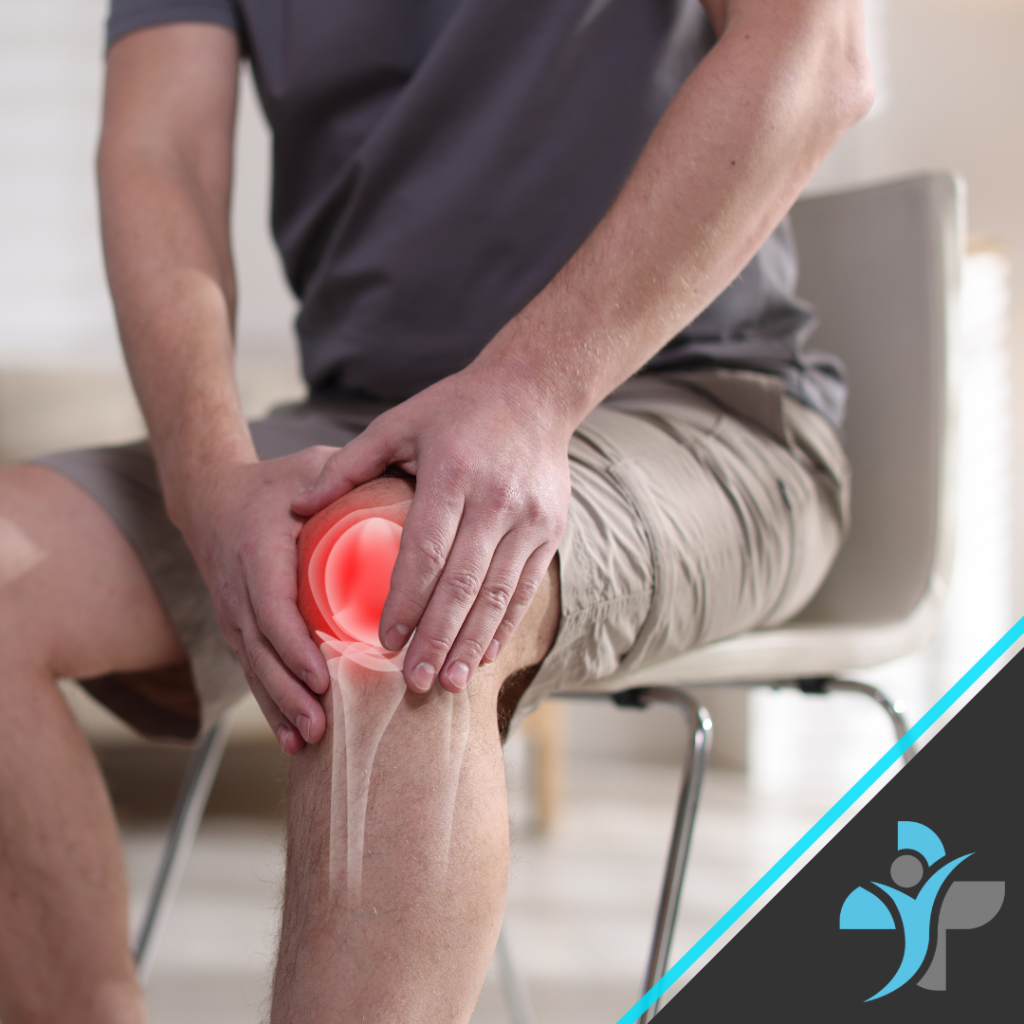
How Does Massage Help Osteoarthritis?

How Does Massage Help Osteoarthritis?

This article builds on LiveWell Health’s wider osteoarthritis management guidance. Here, we focus specifically on how massage therapy may help reduce joint pain, stiffness, and improve mobility as part of a structured care plan. Osteoarthritis (OA) is a common joint condition where protective cartilage wears down, causing pain, stiffness, and reduced mobility. While medications, physical therapy, and exercise are primary treatments, massage therapy is often used as a complementary approach to help relieve symptoms and improve quality of life.

How Massage May Help Osteoarthritis

Massage may support osteoarthritis management through several mechanisms:

  • Reducing muscle tension around affected joints
  • Improving local circulation to support tissue health
  • Supporting relaxation and reducing general muscle stiffness
  • Reducing stress and promoting overall wellbeing

How Often Should Massage Be Used?

Benefits are typically seen with regular sessions over several weeks. Massage is not intended to replace medical treatment for osteoarthritis but may form a useful supportive approach when combined with exercise, weight management, physical therapy, and appropriate medical care.

Expected Timeline of Benefits

Week 1–2: Initial relaxation and mild reduction in muscle tension around affected joints; some improvement in comfort during daily activities.
Week 3–4: Noticeable improvement in joint mobility and reduction in stiffness; easier movement during walking, climbing stairs, or light exercise.
Week 5–6: Enhanced functional gains; more consistent pain relief and better tolerance for daily activity.
Week 7–8: Best short-term results observed in research; improved flexibility, reduced stiffness, and greater comfort in performing routine tasks.

Safety Considerations

Massage should be avoided if joint pain significantly worsens or if inflammation or swelling increases. Seek medical assessment if osteoarthritis symptoms change suddenly, or if there are severe pain, joint instability, or other unusual symptoms.

Can massage help Osteoarthritis

Related Reading

For further information on issues around Arthritis, you may find the following LiveWell Health resources helpful:

Hip Arthritis

Arthritis

Get in touch!

At Livewell Health, our expert team of Physiotherapists can provide help through assessments and targeted treatments to help should you feel your suffering from Osteoarthritis, alternatively one of our specialits massage therapists can also help. Book your consultation today!

Follow us on social media for recovery tips and updates:
Instagram : @LWHEALTH
Facebook : @livewellhealthuk

Dumbbell Chest Exercises

Dumbbell Chest Exercises — Evidence-Based Guide & Exercise Protocol

This article focuses on dumbbell chest exercises, a versatile and effective approach for building chest strength, improving shoulder stability, and supporting balanced upper-body development.
These exercises are commonly used in gym-based training and structured rehabilitation programmes.

Why Are Dumbbell Chest Exercises Used?

Dumbbell chest exercises allow each arm to work independently, encouraging balanced muscle activation and improved neuromuscular control. Research and clinical experience suggest dumbbell training can support:

  • Increased pectoral muscle activation
  • Improved shoulder control and stability
  • Reduced side-to-side strength imbalances
  • A more natural, joint-friendly range of motion

Who Are These Exercises Suitable For?

Dumbbell chest exercises are generally appropriate when:

  • You can perform pressing movements without shoulder or chest pain
  • Exercises are performed with controlled technique
  • They are part of a structured training or rehabilitation programme

If you are unsure whether these exercises are appropriate for you, please contact us.

Dumbbell Chest Exercises

The following exercises are demonstrated in accompanying videos and should be performed with slow, controlled movement.

Dumbbell Chest Press

How to perform:

  • Lie on a bench or floor holding dumbbells at chest height
  • Keep elbows slightly below shoulder level
  • Press the dumbbells upward until arms are extended
  • Lower slowly back to the starting position

Focus: Controlled pressing with stable shoulders and neutral wrists.

Dumbbell Chest Fly

How to perform:

  • Lie on a bench with dumbbells held above the chest
  • Lower the arms out to the side with a slight bend in the elbows
  • Stop when a comfortable stretch is felt
  • Bring the dumbbells back together under control

Focus: Controlled range without overstretching the shoulders.

Incline Dumbbell Press

How to perform:

  • Set the bench to a slight incline
  • Hold dumbbells at upper chest level
  • Press upward and slightly inward
  • Lower slowly under control

Focus: Targets the upper chest while maintaining shoulder stability.

Isometric Dumbbell Chest Hold

How to perform:

  • Lie on a bench holding dumbbells with arms extended
  • Hold the position for 10–20 seconds
  • Maintain steady breathing and shoulder stability

Focus: Improves endurance and shoulder stability.

How Often Should These Be Done?

  • Repetitions: 8–12 per set, 10–20 second holds.
  • Sets: 2–4
  • Frequency: 2–3 times per week
  • Rest for 60–90 seconds between sets. Choose a load that allows full control throughout each movement.

Safety Considerations

  • Stop if sharp chest or shoulder pain occurs
  • Reduce weight if form deteriorates
  • Avoid locking the elbows aggressively at the top of movements
  • Seek assessment if pain persists or worsens

Dumbbell Chest Exercises

Related Articles

If you are interested in further upper-body exercises, you may find the following useful. When training the chest, the triceps play a significant supporting role.

Exercises for triceps

Get in Contact!

At Livewell Health, our expert team of personal trainers and strength and conditioning coaches are on hand to answer any questions you may have and / or help you design a robust plan for your fitness efforts moving forward. Book your consultation Today, and start your fitness journey!

Follow us on social media for recovery tips and updates:
Instagram : @LWHEALTH
Facebook : @livewellhealthuk

How Can Massage Help With Migraines?

How Massage Helps Migraines — Evidence-Based Guide & Treatment Protocol

This article builds on LiveWell Health’s wider migraine management guidance. Here, we focus specifically on how massage therapy may help reduce migraine pain, frequency, and associated symptoms as part of a structured care plan.

Why Massage Is Used in Migraine Care

Massage therapy is commonly used in migraine management due to its effects on muscle tension, nervous system regulation, and stress-related triggers. Research indicates that massage may reduce migraine frequency and intensity by influencing musculoskeletal tension and nervous system regulation, particularly when used alongside standard medical care.

How Massage May Help Migraines

Massage may support migraine management through several mechanisms:
• Reducing muscle tension in the neck and shoulders
• Improving local circulation
• Supporting relaxation of the nervous system
• Reducing stress and anxiety

Who Massage Therapy May Be Suitable For

Massage therapy may be appropriate when migraines are recurrent but stable, and when symptoms are influenced by muscle tension or stress. If you are unsure whether a massage is appropriate for your symptoms, please contact us.

Massage Techniques Commonly Used

Common techniques include neck and shoulder massage, upper back soft tissue release, scalp massage, and trigger point therapy.

How Often Should Massage Be Used?

Benefits are typically seen with regular sessions over several weeks. Massage is not intended to replace medical treatment for migraines but may form a useful supportive approach when combined with lifestyle management, exercise, and appropriate medical care.

Safety Considerations

Massage should be avoided if symptoms worsen or if neurological changes are present. Seek medical assessment if migraines are associated with sudden severe headaches, vision changes, or weaknesses.

Related Reading

For further information on Migraines, Tension Headaches, massage therapy and wider migraine management approaches, you may find the following LiveWell Health resources helpful:

Tension Headaches

Massage Services – LiveWell Health

Also, you may find the Japanese Head Spa service we offer within our Sutton Coldfield Branch in Birmingham another helpful solution for your Migraines.

Final Thought..

At Livewell Health, our expert team offers targeted recovery programs, sports therapy, acupuncture, and massage techniques to get you back on track. Book your consultation today, and start your recovery journey!

Follow us on social media for recovery tips and updates:
Instagram : @LWHEALTH
Facebook : @livewellhealthuk