Does Lymphatic Drainage Massage Work on the Face?

Does Lymphatic Drainage Massage Work on the Face? Benefits, Science, and Treatment Options

Introduction

Facial lymphatic drainage massage has gained popularity for its potential to reduce puffiness, improve skin tone, and promote a healthier, more refreshed appearance. Often seen in skincare clinics and wellness settings, many people ask: does lymphatic drainage massage actually work on the face? In this article, we’ll explore how facial lymphatic drainage works, its proven benefits, and when it may be an effective treatment option.

What is Facial Lymphatic Drainage Massage?

Facial lymphatic drainage massage is a gentle, rhythmic technique designed to stimulate the lymphatic vessels of the face and neck. These vessels help remove excess fluid, metabolic waste, and toxins from facial tissues.

Because the lymphatic system does not have its own pump, manual stimulation encourages lymph flow toward nearby lymph nodes—particularly around the neck and jaw—supporting natural detoxification and fluid balance in the face.

How Does the Facial Lymphatic System Work?

The lymphatic system in the face plays a key role in:

  • Draining excess fluid that causes puffiness
  • Removing waste products from skin tissues
  • Supporting immune and inflammatory responses
  • Maintaining healthy skin tone and texture

When lymph flow slows, due to stress, poor sleep, inflammation, sinus congestion, or post-procedure swelling, fluid can accumulate, leading to facial puffiness, dull skin, and a heavy or congested feeling.

Does Lymphatic Drainage Massage Work on the Face?

Yes, facial lymphatic drainage massage can be effective, particularly for reducing puffiness and supporting skin health. Clinical practice and emerging research suggest noticeable short-term improvements, especially when treatments are performed correctly and consistently.

It is important to note:

  • Results are often temporary, especially for cosmetic effects
  • Benefits improve with regular sessions
  • It supports natural processes rather than changing facial structure

Facial lymphatic drainage is best viewed as a supportive, preventative, and recovery focused therapy.

Benefits of Facial Lymphatic Drainage Massage

Commonly reported benefits include:

  • Reduced Facial Puffiness: Especially around the eyes, cheeks, and jawline
  • Improved Skin Tone and Glow: Better fluid circulation can enhance skin appearance
  • Support for Sinus Congestion: Encourages drainage around nasal and sinus areas
  • Reduced Inflammation: Helpful post-procedure or during flare-ups
  • Relaxation and Stress Reduction: Gentle stimulation calms the nervous system

Who Can Benefit from Facial Lymphatic Drainage?

Facial lymphatic drainage may be beneficial for individuals who experience:

  • Morning facial swelling or under-eye bags
  • Post-aesthetic or dental procedures (when appropriate)
  • Sinus congestion or facial tension
  • Stress-related jaw and neck tightness
  • Dull or congested skin

It is suitable for most people, though certain medical conditions require professional guidance.

Treatment Options for Facial Lymphatic Drainage

  1. Manual Facial Lymphatic Drainage

Performed by trained therapists using light, precise movements to direct lymph flow toward the neck lymph nodes.

  1. At-Home Techniques

Simple daily practices can support lymph flow:

  • Gentle facial massage
  • Gua sha or facial rollers
  • Deep diaphragmatic breathing

Proper technique is essential to avoid skin irritation or ineffective results.

Professional Therapies at Livewell Health

At Livewell Health, facial lymphatic drainage can be integrated into personalised treatment plans, including:

  • Facial Lymphatic Drainage Massage: Targeted techniques to reduce puffiness and support skin health
  • Sports Massage or Deep Tissue Massage: Addressing neck and upper-body tension that affects facial drainage
  • Medical Acupuncture: May support circulation and inflammation control
  • Physiotherapy: Postural and cervical support to optimise lymph flow

All treatments are tailored to individual needs and goals.

When Should You Consider Facial Lymphatic Drainage?

You may consider facial lymphatic drainage if you experience:

  • Persistent or recurring facial puffiness
  • Post-procedure swelling (with professional approval)
  • Sinus pressure or facial heaviness
  • Stress-related tension affecting the face and neck

If swelling is sudden, painful, or unexplained, seek medical advice before treatment.

Related Articles

Looking to reduce facial puffiness and support healthier skin naturally? At Livewell Health, our skilled therapists offer gentle, effective facial lymphatic drainage treatments tailored to your needs.

Book your consultation today and experience the benefits of professional facial lymphatic drainage massage. Alternatively please contact a member of our team.

Follow us on social media for recovery tips and updates:
Instagram: @LWHEALTH
Facebook: @livewellhealthuk
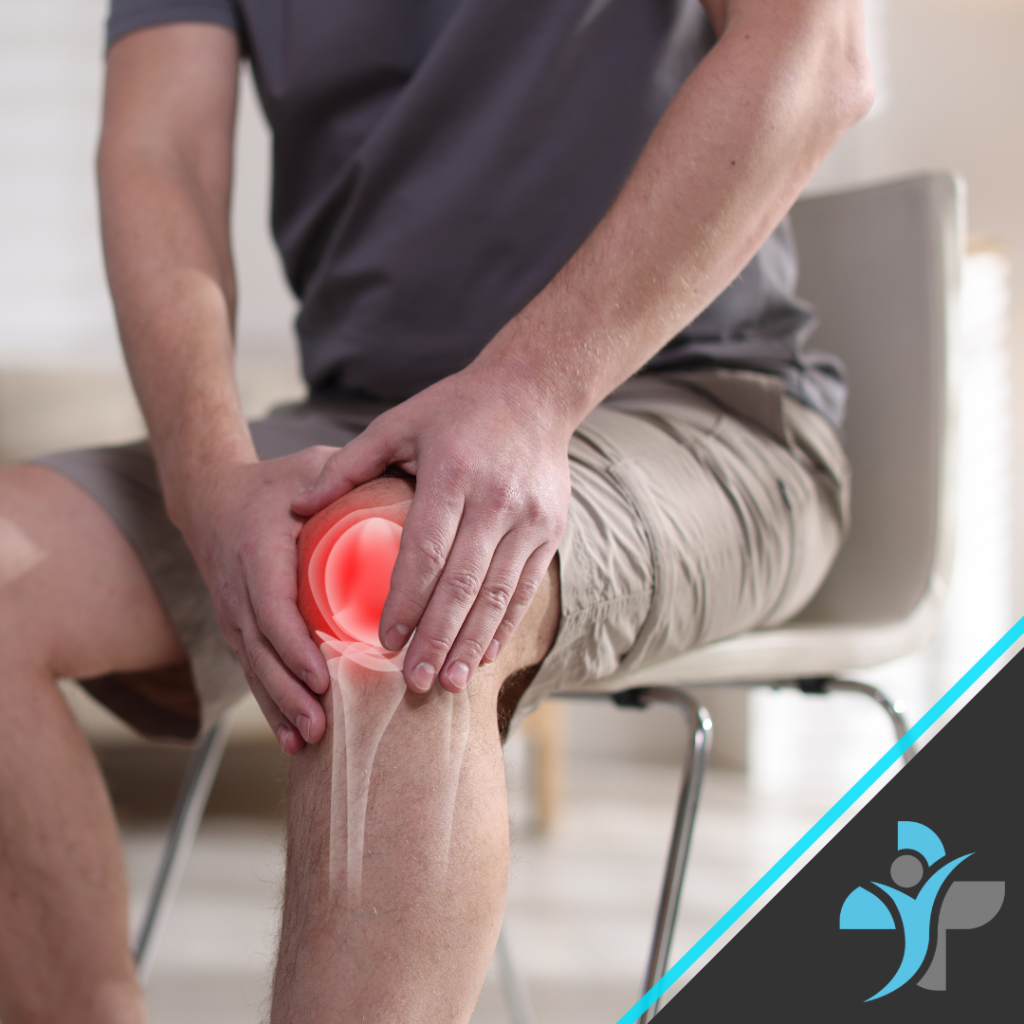
How Does Massage Help Osteoarthritis?

How Does Massage Help Osteoarthritis?

This article builds on LiveWell Health’s wider osteoarthritis management guidance. Here, we focus specifically on how massage therapy may help reduce joint pain, stiffness, and improve mobility as part of a structured care plan. Osteoarthritis (OA) is a common joint condition where protective cartilage wears down, causing pain, stiffness, and reduced mobility. While medications, physical therapy, and exercise are primary treatments, massage therapy is often used as a complementary approach to help relieve symptoms and improve quality of life.

How Massage May Help Osteoarthritis

Massage may support osteoarthritis management through several mechanisms:

  • Reducing muscle tension around affected joints
  • Improving local circulation to support tissue health
  • Supporting relaxation and reducing general muscle stiffness
  • Reducing stress and promoting overall wellbeing

How Often Should Massage Be Used?

Benefits are typically seen with regular sessions over several weeks. Massage is not intended to replace medical treatment for osteoarthritis but may form a useful supportive approach when combined with exercise, weight management, physical therapy, and appropriate medical care.

Expected Timeline of Benefits

Week 1–2: Initial relaxation and mild reduction in muscle tension around affected joints; some improvement in comfort during daily activities.
Week 3–4: Noticeable improvement in joint mobility and reduction in stiffness; easier movement during walking, climbing stairs, or light exercise.
Week 5–6: Enhanced functional gains; more consistent pain relief and better tolerance for daily activity.
Week 7–8: Best short-term results observed in research; improved flexibility, reduced stiffness, and greater comfort in performing routine tasks.

Safety Considerations

Massage should be avoided if joint pain significantly worsens or if inflammation or swelling increases. Seek medical assessment if osteoarthritis symptoms change suddenly, or if there are severe pain, joint instability, or other unusual symptoms.

Can massage help Osteoarthritis

Related Reading

For further information on issues around Arthritis, you may find the following LiveWell Health resources helpful:

Hip Arthritis

Arthritis

Get in touch!

At Livewell Health, our expert team of Physiotherapists can provide help through assessments and targeted treatments to help should you feel your suffering from Osteoarthritis, alternatively one of our specialits massage therapists can also help. Book your consultation today!

Follow us on social media for recovery tips and updates:
Instagram : @LWHEALTH
Facebook : @livewellhealthuk

Dumbbell Chest Exercises

Dumbbell Chest Exercises — Evidence-Based Guide & Exercise Protocol

This article focuses on dumbbell chest exercises, a versatile and effective approach for building chest strength, improving shoulder stability, and supporting balanced upper-body development.
These exercises are commonly used in gym-based training and structured rehabilitation programmes.

Why Are Dumbbell Chest Exercises Used?

Dumbbell chest exercises allow each arm to work independently, encouraging balanced muscle activation and improved neuromuscular control. Research and clinical experience suggest dumbbell training can support:

  • Increased pectoral muscle activation
  • Improved shoulder control and stability
  • Reduced side-to-side strength imbalances
  • A more natural, joint-friendly range of motion

Who Are These Exercises Suitable For?

Dumbbell chest exercises are generally appropriate when:

  • You can perform pressing movements without shoulder or chest pain
  • Exercises are performed with controlled technique
  • They are part of a structured training or rehabilitation programme

If you are unsure whether these exercises are appropriate for you, please contact us.

Dumbbell Chest Exercises

The following exercises are demonstrated in accompanying videos and should be performed with slow, controlled movement.

Dumbbell Chest Press

How to perform:

  • Lie on a bench or floor holding dumbbells at chest height
  • Keep elbows slightly below shoulder level
  • Press the dumbbells upward until arms are extended
  • Lower slowly back to the starting position

Focus: Controlled pressing with stable shoulders and neutral wrists.

Dumbbell Chest Fly

How to perform:

  • Lie on a bench with dumbbells held above the chest
  • Lower the arms out to the side with a slight bend in the elbows
  • Stop when a comfortable stretch is felt
  • Bring the dumbbells back together under control

Focus: Controlled range without overstretching the shoulders.

Incline Dumbbell Press

How to perform:

  • Set the bench to a slight incline
  • Hold dumbbells at upper chest level
  • Press upward and slightly inward
  • Lower slowly under control

Focus: Targets the upper chest while maintaining shoulder stability.

Isometric Dumbbell Chest Hold

How to perform:

  • Lie on a bench holding dumbbells with arms extended
  • Hold the position for 10–20 seconds
  • Maintain steady breathing and shoulder stability

Focus: Improves endurance and shoulder stability.

How Often Should These Be Done?

  • Repetitions: 8–12 per set, 10–20 second holds.
  • Sets: 2–4
  • Frequency: 2–3 times per week
  • Rest for 60–90 seconds between sets. Choose a load that allows full control throughout each movement.

Safety Considerations

  • Stop if sharp chest or shoulder pain occurs
  • Reduce weight if form deteriorates
  • Avoid locking the elbows aggressively at the top of movements
  • Seek assessment if pain persists or worsens

Dumbbell Chest Exercises

Related Articles

If you are interested in further upper-body exercises, you may find the following useful. When training the chest, the triceps play a significant supporting role.

Exercises for triceps

Get in Contact!

At Livewell Health, our expert team of personal trainers and strength and conditioning coaches are on hand to answer any questions you may have and / or help you design a robust plan for your fitness efforts moving forward. Book your consultation Today, and start your fitness journey!

Follow us on social media for recovery tips and updates:
Instagram : @LWHEALTH
Facebook : @livewellhealthuk

How Can Massage Help With Migraines?

How Massage Helps Migraines — Evidence-Based Guide & Treatment Protocol

This article builds on LiveWell Health’s wider migraine management guidance. Here, we focus specifically on how massage therapy may help reduce migraine pain, frequency, and associated symptoms as part of a structured care plan.

Why Massage Is Used in Migraine Care

Massage therapy is commonly used in migraine management due to its effects on muscle tension, nervous system regulation, and stress-related triggers. Research indicates that massage may reduce migraine frequency and intensity by influencing musculoskeletal tension and nervous system regulation, particularly when used alongside standard medical care.

How Massage May Help Migraines

Massage may support migraine management through several mechanisms:
• Reducing muscle tension in the neck and shoulders
• Improving local circulation
• Supporting relaxation of the nervous system
• Reducing stress and anxiety

Who Massage Therapy May Be Suitable For

Massage therapy may be appropriate when migraines are recurrent but stable, and when symptoms are influenced by muscle tension or stress. If you are unsure whether a massage is appropriate for your symptoms, please contact us.

Massage Techniques Commonly Used

Common techniques include neck and shoulder massage, upper back soft tissue release, scalp massage, and trigger point therapy.

How Often Should Massage Be Used?

Benefits are typically seen with regular sessions over several weeks. Massage is not intended to replace medical treatment for migraines but may form a useful supportive approach when combined with lifestyle management, exercise, and appropriate medical care.

Safety Considerations

Massage should be avoided if symptoms worsen or if neurological changes are present. Seek medical assessment if migraines are associated with sudden severe headaches, vision changes, or weaknesses.

Related Reading

For further information on Migraines, Tension Headaches, massage therapy and wider migraine management approaches, you may find the following LiveWell Health resources helpful:

Tension Headaches

Massage Services – LiveWell Health

Also, you may find the Japanese Head Spa service we offer within our Sutton Coldfield Branch in Birmingham another helpful solution for your Migraines.

Final Thought..

At Livewell Health, our expert team offers targeted recovery programs, sports therapy, acupuncture, and massage techniques to get you back on track. Book your consultation today, and start your recovery journey!

Follow us on social media for recovery tips and updates:
Instagram : @LWHEALTH
Facebook : @livewellhealthuk

What is Creatine and what are it’s benefits?

What is Creatine and what are it’s benefits?

Creatine is one of the most researched and widely used supplements in the world of fitness and sports performance. Naturally found in small amounts in meat and fish, and also produced by the liver, kidneys, and pancreas, creatine plays a vital role in your body’s ability to generate quick energy — especially during short bursts of intense activity like sprinting or weightlifting.

When used as a supplement, creatine can significantly boost performance, strength, and recovery, making it a staple in many athletes’ and fitness enthusiasts’ routines.


How Does Creatine Work?

Creatine helps produce adenosine triphosphate (ATP), the body’s primary source of energy during high-intensity, short-duration exercises. However, ATP stores are limited and typically get used up within the first 10 seconds of intense activity.

Supplementing with creatine increases your body’s phosphocreatine stores, which in turn helps replenish ATP more quickly, allowing you to train harder and longer before fatigue sets in.


Benefits of Creatine

Creatine offers several benefits, both for physical performance and overall wellness:

1. Improved Strength and Power

Creatine enhances your ability to perform short, explosive movements, such as lifting heavy weights or sprinting. It enables you to push beyond normal limits, leading to improved strength over time.

2. Increased Muscle Growth

By allowing for more reps or heavier loads during training, creatine supports muscle hypertrophy. It also draws water into muscle cells, creating a fuller appearance and enhancing protein synthesis.

3. Enhanced Athletic Performance

Athletes in sports like football, basketball, rugby, and athletics can benefit from creatine’s ability to improve speed, agility, and power in activities lasting less than 30 seconds.

4. Cognitive and Brain Health

Emerging research suggests that creatine may also support brain function, especially in times of mental fatigue or sleep deprivation. It may help with memory, focus, and mental clarity.


How to Take Creatine

The most common and well-studied form of creatine is creatine monohydrate, typically available in powder form. It’s easy to mix with water, juice, or protein shakes.

Typical Dosage:

  • Maintenance dose: 3–5 grams per day

  • Optional loading phase: 20 grams per day (split into 4 doses of 5g) for 5–7 days, followed by a maintenance phase

You can skip the loading phase if preferred — your muscles will still saturate with creatine over time, usually within 3–4 weeks.

Tip: Take creatine around the time of your workout, ideally post-training, when your muscles are more receptive to nutrient absorption.


Is Creatine Safe?

Yes. Creatine is one of the most studied sports supplements, with decades of research supporting its safety and effectiveness in healthy individuals when used as directed.

That said, hydration is key. Because creatine draws water into your muscles, it’s important to stay well-hydrated to prevent side effects.

Possible Side Effects (usually mild):

  • Water retention

  • Stomach discomfort

  • Dehydration

  • Muscle cramps

  • Kidney stress (rare – typically only in those with pre-existing kidney issues)

If you experience any discomfort, reduce your dosage or stop use temporarily. Those with kidney conditions should always consult a healthcare professional before taking creatine.


Who Can Benefit from Creatine?

Creatine isn’t just for professional athletes or bodybuilders. It’s beneficial for anyone who wants to improve strength, power, muscle mass, or performance in high-intensity activities.

Ideal users include:

  • Weightlifters and gym-goers

  • Sprinters and explosive athletes

  • Competitive sports players (e.g. rugby, football, basketball)

  • Individuals looking to gain muscle or recover faster


Want to Maximise Results with Nutrition?

While creatine is a powerful tool, nutrition plays a vital role in unlocking its full potential. Pairing your creatine supplementation with a personalised nutrition plan can help you:

  • Maximise muscle gain

  • Improve recovery

  • Maintain optimal hydration and electrolyte balance

Our expert team at Livewell offers tailored nutrition advice for performance, recovery, and general wellbeing. Whether you’re new to supplements or want to build a science-backed nutrition strategy, we’re here to help.

Book your nutrition consultation today to get the most out of your training and supplementation.

What are the benefits of Protein?

What are the benefits of Protein?

Understanding Protein: The Essential Nutrient for Muscle Growth, Recovery, and Overall Health

When it comes to improving your fitness, supporting recovery, and maintaining a healthy body, protein is one of the most important nutrients you can include in your diet. Whether you’re training for strength, looking to tone up, or simply aiming to feel more energized, understanding how protein works — and how much you need — is key to achieving your goals.

In this article, we’ll explore what protein is, why it’s essential, how much you need, and the best sources of protein, including plant-based options and supplements. Plus, we’ll link you to our expert nutrition advice services to help you fine-tune your diet for peak performance.


What is Protein?

Protein is one of the three macronutrients our bodies need in significant amounts, alongside carbohydrates and fats. It’s made up of molecules called amino acids, often referred to as the “building blocks of life,” due to their crucial role in repairing and maintaining body tissues.


Why is Protein Important?

Protein plays several vital roles in the body, particularly when it comes to:

  • Muscle growth and recovery

  • Tissue repair

  • Supporting healthy skin, hair, and bones

When you exercise, especially during resistance training or high-impact workouts, your muscles experience tiny tears (micro-tears). Protein helps repair these tears and rebuild muscle fibers, allowing muscles to grow stronger and more resilient over time.

This makes protein-rich diets essential not only for athletes but also for anyone looking to stay active, age healthily, or improve their body composition.

If you’re unsure how much protein your body needs based on your training routine or health goals, our team at Livewell offers personalised nutrition consultations. Speak to a nutrition advisor today →


How Much Protein Do You Need?

The recommended daily protein intake for a healthy adult ranges from 0.66 to 1 gram of protein per kilogram of body weight.

However, if you’re regularly exercising — especially with the goal of building or maintaining muscle mass — you may benefit from a higher intake, typically around:

1.4–2.0 grams of protein per kg of body weight per day

Example: A person weighing 70kg would require between 98g and 140g of protein per day to support muscle growth and recovery.

Still unsure how to calculate your protein needs? Contact our Nutritionists and they can help you determine exactly what your body needs based on your lifestyle, goals, and training schedule.


Top Sources of Protein

Protein can come from both animal and plant-based sources, so it’s easy to build a high-protein diet that fits your preferences.

Animal-based protein sources:

  • Chicken breast (30g per serving)

  • Cod fillet (20g per serving)

  • Eggs (approx. 10g per 2 eggs)

  • Milk, cheese, and yoghurt

Plant-based protein sources:

  • Lentils (25g per boiled cup)

  • Chickpeas, beans, tofu, and tempeh

  • Quorn meat alternatives

  • Nuts and seeds (approx. 5g per handful)

➡️ Tip: Aim to vary your protein sources. While red meat is protein-rich, excessive consumption can increase health risks such as heart disease and type 2 diabetes due to its high fat content. Lean meats like chicken or fish, and plant proteins, are healthier everyday choices.

If you’re vegetarian or vegan and unsure how to balance your meals, our plant-based nutrition support is designed to help you get the nutrients you need without compromise.


What About Protein Shakes?

Protein shakes are a convenient and efficient way to boost your intake, especially around workouts or when you’re short on time.

Powder-Based Shakes:

These are typically made using whey protein, casein, or vegan blends like pea or rice protein. One scoop usually provides around 20g of protein and can be mixed with water or milk.

Food-Based Protein Smoothies:

Alternatively, you can create a high-protein shake using whole food ingredients such as:

  • Frozen fruits

  • Greek yoghurt

  • Peanut or almond butter

  • Milk or plant-based alternatives

These shakes double as tasty meal replacements or post-workout recovery drinks.


Ready to Level Up Your Nutrition?

Protein is essential — but it’s just one piece of the puzzle. From macronutrient planning to meal timing, our expert team is here to help you fuel your body the right way.

Click here to book your personalised nutrition consultation with our Livewell Health team and start building better habits today. Alternatively contact one of our team and we will be only to happy to help where we can.

Supporting CBRE’s Row 50 Challenge

Supporting CBRE’s Row 50 Challenge: Helping Raise £50,000 for Alzheimer’s Society

On Friday 4th April, the Livewell Health event team had the pleasure of attending CBRE’s annual Row 50 Challenge at their London offices – an inspiring event that brings together teams and individuals to row 50km in support of a vital cause. This year, the challenge raised a phenomenal £50,000 for the Alzheimer’s Society, helping to support their mission to ensure dementia is recognised as a national health priority and to improve care, support, and awareness across the UK.

Representing Livewell Health on the day were Kit, Tracey, and Stephen, who were on-site throughout the event offering much-needed event recovery services to the dedicated rowers. These services included the incredibly popular Hyperice Normatec Compression Boot Therapy, provided in anti-gravity chairs for maximum comfort, as well as sports event massage and therapy, and injury prevention and assessment support.

The atmosphere at the CBRE offices was buzzing with energy, determination, and community spirit as dozens of participants gave it their all for a cause close to so many hearts. From first-time rowers to seasoned employees, every kilometre rowed was a powerful show of support for individuals and families affected by dementia.

Our team thoroughly enjoyed being part of the day, helping participants recover, recharge, and continue their rowing efforts with reduced fatigue and improved mobility. These types of events are a great reminder of the role recovery and preventative care play in supporting both performance and wellbeing, especially during physically demanding challenges.

We’d like to extend a huge thank you to CBRE and Rebecca, who led the organisation of this incredible event, for inviting us to be part of such a meaningful day. The funds raised will go a long way in supporting the Alzheimer’s Society’s work, which includes groundbreaking research, vital support services, and advocacy to improve the lives of people living with dementia.

For our team, the highlight was seeing how positively participants responded to our services. Many shared how the compression therapy and massage support helped relieve aches and stiffness, allowing them to complete the challenge feeling stronger and more supported. The feedback we received reaffirmed why we do what we do – helping people move and feel better, especially when they’re pushing their limits for a great cause.

We left the event feeling inspired, grateful, and proud to have played a part in such an impactful initiative. Congratulations once again to all the teams and individuals who took part, and of course, to CBRE for hosting another successful Row 50 Challenge. Here’s to continuing to make a difference – one stroke, one service, and one event at a time.

For more information about our event services or to bring Livewell Health to your next charity or corporate wellness event, get in touch with us today.

LIVEWELL x BORN SURVIVOR – Official Recovery Partner

LIVEWELL ANNOUNCES EXCITING NEW PARTNERSHIP WITH BORN SURVIVOR EVENTS

We’re thrilled to announce that Livewell has partnered with Born Survivor, the UK’s biggest and most authentic military obstacle course event, to provide our award-winning LIVE|Recover service at their thrilling 2025 events!

Kicking off on April 26th in Cheshire, and returning for a second epic challenge on September 13th in the Ribble Valley, Lancashire, we’ll be supporting participants throughout the day with a comprehensive recovery and injury prevention zone designed to keep you in peak condition before, during, and after your mission.

The LIVE|Recover unit is a fully mobile state-of-the-art event recovery facility offering:

  • Sports Massage

  • Physiotherapy

  • Injury Assessment

  • Taping & Strapping

  • Compression Boot Therapy

  • Anti-Gravity Chairs

  • Ice Plunge Pods

  • Hot Steam Saunas

  • And much more…

This collaboration brings together two powerhouses in health, fitness, and resilience. Whether you’re tackling the 10km Ultimate Military Obstacle Course or trying one of the flexible distance options (6km or 8km), Livewell Health will be on hand to support your recovery and enhance your performance every step of the way.

About Born Survivor:
Set in rugged landscapes like the stunning Ribble Valley, Born Survivor is not your average OCR. With military-grade obstacles, epic slides, underground tunnels, the infamous Big Wall Finisher “The Blitz,” and a celebratory Survivor Bar with live music – this is an experience you won’t forget.

Early bird tickets are available now for the September event – don’t miss out!

Register here: https://www.racespace.com/gb/born-survivor/born-survivor-2025-ribble-valley-lancashire

Join the adventure. Smash the course. Recover like a pro.

LIVEWELL x BORN SURVIVOR – THE ULTIMATE PARTNERSHIP IN PERFORMANCE & RECOVERY.

Livewell - Official recovery partner for Born Survivor 2

Am I Perimenopausal?

Am I Perimenopausal?

One of the most common questions I get asked is: “Am I perimenopausal?

It’s fantastic that conversations around menopause are becoming more open, but unfortunately, there’s still a lot of misinformation—especially on social media.

Common Myths About Perimenopause

Many people assume they’re not perimenopausal because:

  • I don’t have hot flushes.” – Hot flushes tend to appear later in the transition, but perimenopause can start without them.
  • I’m only 32.” – While perimenopause often begins in the 40s, about 1% of women experience menopause before 40 (known as premature menopause).
  • I still have a regular cycle.” – Your cycle may still be regular in early perimenopause, but hormone fluctuations can still cause symptoms.

First Steps: What You Can Do

Track Your Symptoms – Download the free Balance app, where you can log your cycle and symptoms. You can then generate a free health report to take to your doctor.

Book a Doctor’s Appointment – If possible, request an appointment with a family planning doctor or one experienced in menopause care. A double appointment can give you more time for discussion.

Ask for Blood Tests – Some symptoms of perimenopause overlap with other health conditions. Request tests for iron, vitamin B12, vitamin D, and thyroid function to rule out deficiencies. If you have a family history of osteoporosis, ask about a DEXA scan to assess bone health. If you don’t get given a test by your doctors, then Livewell do offer at home Menopause tests as well as general health blood testing. Click here to find out more about these.

Preparing for Your Doctor’s Visit

  • Bring Your Balance Report & Questions – Brain fog is real, so write down any concerns you want to discuss.
  • Discuss Treatment Options – Hormone Replacement Therapy (HRT) is one option, and there are various types to consider. Some women also explore low-dose blood pressure medication or antidepressants to help with hot flushes (even if they don’t have high blood pressure or mental health concerns).
  • Ask About Side Effects & Follow-Ups – Make sure you understand potential side effects and when you should return for a review.

Don’t Forget Your Free Health Check!

Mini Health Checks – In the UK, you’re entitled to a free NHS health check at age 40 and every five years after that. However, many people never receive an invitation—so be
proactive and book one!

These checks assess cholesterol, blood glucose, and blood pressure. Since high cholesterol and high blood pressure often have no symptoms, it’s important to monitor them before problems arise.

If you are worried about any of the above you can contact our health and wellbeing team directly on info@livewellhealth.co.uk.

Want to Learn More?

If you’d like further information about our Menopause Awareness webinar or seminar for your workplace, please email info@livewellhealth.co.uk. The webinar/seminar includes: signs and symptoms, treatment options, and a mid-life health checklist so you can get the care you deserve.

About the author: Anjanette Fraser (MSc Nutritional Medicine) is a highly experienced nutrition and women’s health expert with a distinguished 19-year career delivering impactful seminars and webinars to a diverse range of organisations. Clients include corporations such as CGI, IKEA, BP, Network Rail, Hilton Hotels, John Deere, PwC, ICAEW, Coca-Cola,
and Vodafone, as well as numerous SMEs and charities.

With a Master’s degree in Nutritional Medicine, Anjanette combines academic expertise with a practical, relatable approach to health and wellbeing. She is deeply passionate about raising health awareness, empowering individuals and teams to make informed, sustainable lifestyle choices that enhance both personal and professional performance.

Before transitioning to the field of nutrition, Anjanette built a successful career in Corporate Finance, specialising in Mergers & Acquisitions at PwC London. This unique background gives her a deep understanding of workplace dynamics and the critical role that wellbeing plays in organisational success.

Anjanette’s engaging and evidence-based approach continues to inspire positive change, making her a sought-after speaker in the field of corporate health and wellbeing.


What is a balanced Diet?

What is a Balanced Diet?

A balanced diet is the foundation of good health and well-being. It ensures your body receives all the essential nutrients it needs to function optimally. But what exactly does a balanced diet involve, and how do you put it into practice in daily life? In this article, we explore the key components of a balanced diet, the importance of energy balance, and how diet and exercise work together to support a healthy lifestyle.


What Makes a Diet ‘Balanced’?

A balanced diet occurs when your daily intake includes the essential nutrients required to support your body’s needs. These nutrients support everything from muscle repair and immune function to energy levels and organ health. The main categories of essential nutrients are:

  • Carbohydrates
  • Proteins
  • Fats
  • Vitamins and Minerals
  • Fibre
  • Water

Carbohydrates, protein, and fats are referred to as macronutrients. These are needed in larger amounts and are the primary sources of energy for your body.


Understanding the Macronutrients

Carbohydrates:

These are your body’s preferred energy source. Found in foods like bread, rice, pasta, fruits, and vegetables, carbohydrates fuel your brain, muscles, and organs. Complex carbs like whole grains and legumes are especially beneficial due to their fibre content.

Protein:

Essential for muscle repair, growth, and immune function. Protein can be found in meat, fish, eggs, dairy, legumes, and plant-based sources like tofu and quinoa.

Fats:

Often misunderstood, healthy fats are vital for hormone production, brain health, and energy storage. Include unsaturated fats from sources such as nuts, seeds, avocados, and oily fish.


The Eatwell Guide: Your Visual Nutrition Reference

The UK government’s Eatwell Guide provides a simple and effective way to understand how to balance your plate. It recommends:

  • A large portion of fruits and vegetables
  • Wholegrain starchy carbohydrates
  • Moderate amounts of dairy or dairy alternatives
  • Lean sources of protein
  • Small amounts of unsaturated fats
  • Plenty of fluids (6–8 glasses of water daily)

Balance does not need to be achieved at every meal, but aiming for this distribution across the week supports overall nutritional health.

The Eatwell Guide


Energy Balance: Calories In vs Calories Out

One of the most crucial aspects of maintaining or achieving a healthy weight is understanding calorie balance:

  • Weight gain occurs when you consume more calories than you burn.
  • Weight loss occurs when you burn more calories than you consume.

Calories are burned in two primary ways:

  1. Basal Metabolic Rate (BMR): The calories your body burns at rest to keep you alive (breathing, digestion, circulation).
  2. Physical Activity: Movement throughout the day (both exercise and daily tasks).

Calorie Balance Chart


How to Calculate Your BMR

Your BMR depends on age, gender, weight, height, and overall health. Here are two common formulas:

  • Men: 66.47 + (13.75 x weight in kg) + (5.003 x height in cm) – (6.755 x age in years)
  • Women: 655.1 + (9.563 x weight in kg) + (1.85 x height in cm) – (4.676 x age in years)

Example: John is 30 years old. His BMR is approximately 1700 calories. He consumes 2100 calories daily. To enter a calorie deficit and promote weight loss, John adds a daily 60-minute walk, burning an extra 450 calories. This puts him into a sustainable deficit, leading to gradual weight loss.


How Diet Affects Weight

Highly processed and high-fat foods often contain significantly more calories than whole, nutrient-dense alternatives. A diet consistently high in saturated fat and low in nutrients can contribute to unwanted weight gain, especially when combined with low activity levels.

  • Processed foods = high in calories, low in nutritional value
  • Whole foods = nutrient-dense, naturally lower in calories

Fibre, Vitamins, Minerals, and Water

Fibre:

Supports digestion and helps keep you full. Found in whole grains, fruits, vegetables, legumes, and seeds.

Vitamins and Minerals:

Essential for immune health, bone strength, energy production, and more. Achieve this through a varied diet rich in colourful vegetables, fruit, nuts, seeds, and lean proteins.

Water:

Often overlooked, water is vital for every cellular function. Aim for at least 6–8 glasses per day, more if active or in hot weather.


Movement and Exercise

You don’t need to run marathons to burn calories. Your body burns energy even at rest, but activity increases your calorie output.

NEAT (Non-Exercise Activity Thermogenesis):

Low-intensity movements that still burn calories. Examples include:

  • Walking
  • Household chores
  • Gardening
  • Light movement throughout the day

Exercise:

Structured activity is a great way to support weight management and improve health:

  • Cardio: Walking, running, cycling, swimming
  • Strength Training: Weight lifting, resistance bands, bodyweight exercises
  • Pilates & Yoga: Improve flexibility, strength, and reduce stress
  • Sports: Football, hockey, tennis, etc.

Targeting Belly Fat: What You Need to Know

Many people want to reduce belly fat specifically. Unfortunately, spot reduction (targeting fat loss in one area) is a myth. Fat loss occurs across the entire body.

The best approach is:

  • Create a calorie deficit through diet and movement
  • Build a consistent exercise routine
  • Incorporate abdominal strengthening exercises like crunches, planks, and leg raises
  • Maintain sustainable habits over time

As your body fat percentage drops, so too will fat in the abdominal area, along with the rest of the body.


Key Takeaways for a Balanced Lifestyle

  • Balance your plate: Follow the Eatwell Guide for nutrient variety
  • Stay hydrated: Water is essential for all functions
  • Move more: Aim for a mix of NEAT and exercise
  • Track your intake: Awareness leads to better decisions
  • Prioritise whole foods: Less processed, more nutrients
  • Be consistent: Small changes over time lead to lasting results

A balanced diet isn’t about restriction or perfection. It’s about nourishing your body, making informed choices, and supporting your goals—whether that’s weight loss, muscle gain, or simply feeling better day-to-day. Focus on variety, moderation, and sustainability, and you’ll build habits that support health for life.

If you’re unsure where to start, consider speaking to a nutritionist, personal trainer, or health professional for personalised advice tailored to your goals.

Alternatively contact a member of our team and we can work with you on your nutrition, exercise and general wellbeing / recovery all in one place.