Does Lymphatic Drainage Massage Work on the Face?

Does Lymphatic Drainage Massage Work on the Face? Benefits, Science, and Treatment Options

Introduction

Facial lymphatic drainage massage has gained popularity for its potential to reduce puffiness, improve skin tone, and promote a healthier, more refreshed appearance. Often seen in skincare clinics and wellness settings, many people ask: does lymphatic drainage massage actually work on the face? In this article, we’ll explore how facial lymphatic drainage works, its proven benefits, and when it may be an effective treatment option.

What is Facial Lymphatic Drainage Massage?

Facial lymphatic drainage massage is a gentle, rhythmic technique designed to stimulate the lymphatic vessels of the face and neck. These vessels help remove excess fluid, metabolic waste, and toxins from facial tissues.

Because the lymphatic system does not have its own pump, manual stimulation encourages lymph flow toward nearby lymph nodes—particularly around the neck and jaw—supporting natural detoxification and fluid balance in the face.

How Does the Facial Lymphatic System Work?

The lymphatic system in the face plays a key role in:

  • Draining excess fluid that causes puffiness
  • Removing waste products from skin tissues
  • Supporting immune and inflammatory responses
  • Maintaining healthy skin tone and texture

When lymph flow slows, due to stress, poor sleep, inflammation, sinus congestion, or post-procedure swelling, fluid can accumulate, leading to facial puffiness, dull skin, and a heavy or congested feeling.

Does Lymphatic Drainage Massage Work on the Face?

Yes, facial lymphatic drainage massage can be effective, particularly for reducing puffiness and supporting skin health. Clinical practice and emerging research suggest noticeable short-term improvements, especially when treatments are performed correctly and consistently.

It is important to note:

  • Results are often temporary, especially for cosmetic effects
  • Benefits improve with regular sessions
  • It supports natural processes rather than changing facial structure

Facial lymphatic drainage is best viewed as a supportive, preventative, and recovery focused therapy.

Benefits of Facial Lymphatic Drainage Massage

Commonly reported benefits include:

  • Reduced Facial Puffiness: Especially around the eyes, cheeks, and jawline
  • Improved Skin Tone and Glow: Better fluid circulation can enhance skin appearance
  • Support for Sinus Congestion: Encourages drainage around nasal and sinus areas
  • Reduced Inflammation: Helpful post-procedure or during flare-ups
  • Relaxation and Stress Reduction: Gentle stimulation calms the nervous system

Who Can Benefit from Facial Lymphatic Drainage?

Facial lymphatic drainage may be beneficial for individuals who experience:

  • Morning facial swelling or under-eye bags
  • Post-aesthetic or dental procedures (when appropriate)
  • Sinus congestion or facial tension
  • Stress-related jaw and neck tightness
  • Dull or congested skin

It is suitable for most people, though certain medical conditions require professional guidance.

Treatment Options for Facial Lymphatic Drainage

  1. Manual Facial Lymphatic Drainage

Performed by trained therapists using light, precise movements to direct lymph flow toward the neck lymph nodes.

  1. At-Home Techniques

Simple daily practices can support lymph flow:

  • Gentle facial massage
  • Gua sha or facial rollers
  • Deep diaphragmatic breathing

Proper technique is essential to avoid skin irritation or ineffective results.

Professional Therapies at Livewell Health

At Livewell Health, facial lymphatic drainage can be integrated into personalised treatment plans, including:

  • Facial Lymphatic Drainage Massage: Targeted techniques to reduce puffiness and support skin health
  • Sports Massage or Deep Tissue Massage: Addressing neck and upper-body tension that affects facial drainage
  • Medical Acupuncture: May support circulation and inflammation control
  • Physiotherapy: Postural and cervical support to optimise lymph flow

All treatments are tailored to individual needs and goals.

When Should You Consider Facial Lymphatic Drainage?

You may consider facial lymphatic drainage if you experience:

  • Persistent or recurring facial puffiness
  • Post-procedure swelling (with professional approval)
  • Sinus pressure or facial heaviness
  • Stress-related tension affecting the face and neck

If swelling is sudden, painful, or unexplained, seek medical advice before treatment.

Related Articles

Looking to reduce facial puffiness and support healthier skin naturally? At Livewell Health, our skilled therapists offer gentle, effective facial lymphatic drainage treatments tailored to your needs.

Book your consultation today and experience the benefits of professional facial lymphatic drainage massage. Alternatively please contact a member of our team.

Follow us on social media for recovery tips and updates:
Instagram: @LWHEALTH
Facebook: @livewellhealthuk

How Does Massage Help Osteoarthritis?

How Does Massage Help Osteoarthritis?

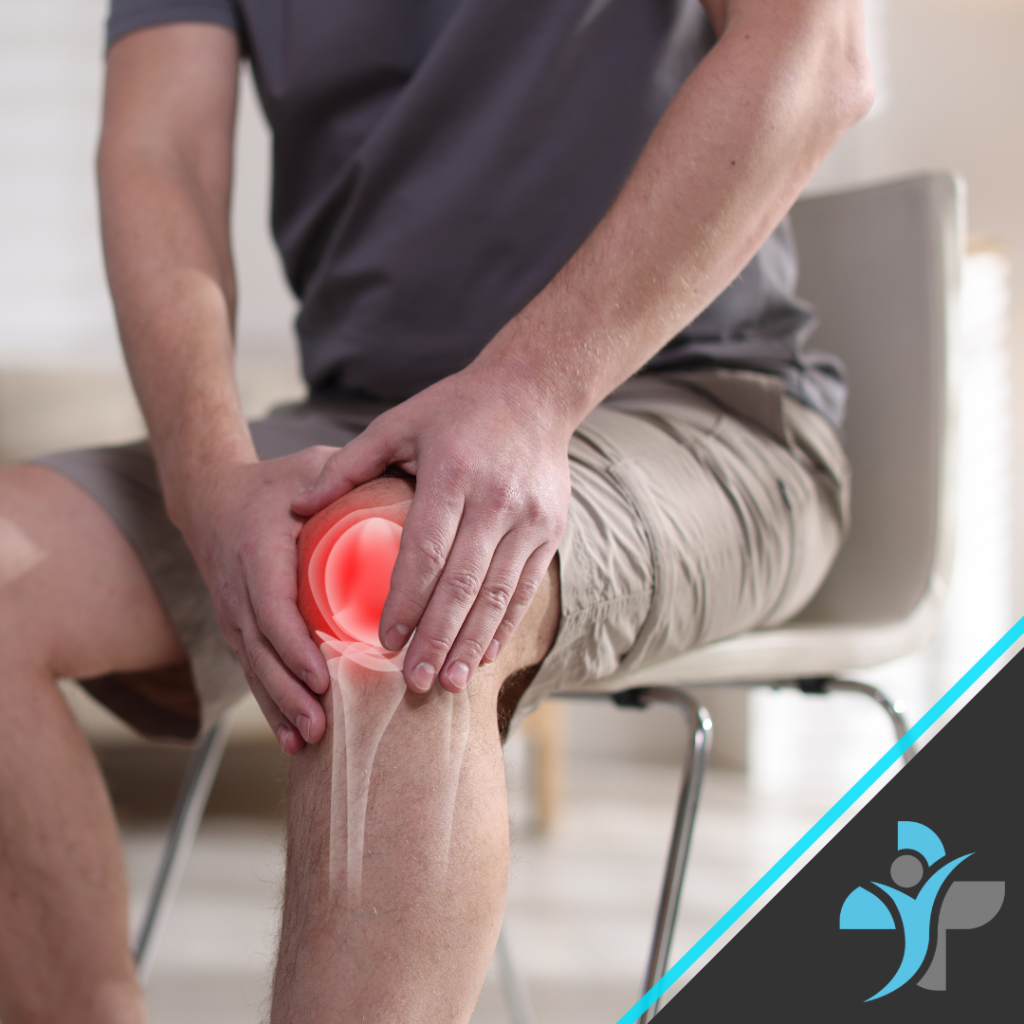
This article builds on LiveWell Health’s wider osteoarthritis management guidance. Here, we focus specifically on how massage therapy may help reduce joint pain, stiffness, and improve mobility as part of a structured care plan. Osteoarthritis (OA) is a common joint condition where protective cartilage wears down, causing pain, stiffness, and reduced mobility. While medications, physical therapy, and exercise are primary treatments, massage therapy is often used as a complementary approach to help relieve symptoms and improve quality of life.

How Massage May Help Osteoarthritis

Massage may support osteoarthritis management through several mechanisms:

  • Reducing muscle tension around affected joints
  • Improving local circulation to support tissue health
  • Supporting relaxation and reducing general muscle stiffness
  • Reducing stress and promoting overall wellbeing

How Often Should Massage Be Used?

Benefits are typically seen with regular sessions over several weeks. Massage is not intended to replace medical treatment for osteoarthritis but may form a useful supportive approach when combined with exercise, weight management, physical therapy, and appropriate medical care.

Expected Timeline of Benefits

Week 1–2: Initial relaxation and mild reduction in muscle tension around affected joints; some improvement in comfort during daily activities.
Week 3–4: Noticeable improvement in joint mobility and reduction in stiffness; easier movement during walking, climbing stairs, or light exercise.
Week 5–6: Enhanced functional gains; more consistent pain relief and better tolerance for daily activity.
Week 7–8: Best short-term results observed in research; improved flexibility, reduced stiffness, and greater comfort in performing routine tasks.

Safety Considerations

Massage should be avoided if joint pain significantly worsens or if inflammation or swelling increases. Seek medical assessment if osteoarthritis symptoms change suddenly, or if there are severe pain, joint instability, or other unusual symptoms.

Can massage help Osteoarthritis

Related Reading

For further information on issues around Arthritis, you may find the following LiveWell Health resources helpful:

Hip Arthritis

Arthritis

Get in touch!

At Livewell Health, our expert team of Physiotherapists can provide help through assessments and targeted treatments to help should you feel your suffering from Osteoarthritis, alternatively one of our specialits massage therapists can also help. Book your consultation today!

Follow us on social media for recovery tips and updates:
Instagram : @LWHEALTH
Facebook : @livewellhealthuk

How Can Massage Help With Migraines?

How Massage Helps Migraines — Evidence-Based Guide & Treatment Protocol

This article builds on LiveWell Health’s wider migraine management guidance. Here, we focus specifically on how massage therapy may help reduce migraine pain, frequency, and associated symptoms as part of a structured care plan.

Why Massage Is Used in Migraine Care

Massage therapy is commonly used in migraine management due to its effects on muscle tension, nervous system regulation, and stress-related triggers. Research indicates that massage may reduce migraine frequency and intensity by influencing musculoskeletal tension and nervous system regulation, particularly when used alongside standard medical care.

How Massage May Help Migraines

Massage may support migraine management through several mechanisms:
• Reducing muscle tension in the neck and shoulders
• Improving local circulation
• Supporting relaxation of the nervous system
• Reducing stress and anxiety

Who Massage Therapy May Be Suitable For

Massage therapy may be appropriate when migraines are recurrent but stable, and when symptoms are influenced by muscle tension or stress. If you are unsure whether a massage is appropriate for your symptoms, please contact us.

Massage Techniques Commonly Used

Common techniques include neck and shoulder massage, upper back soft tissue release, scalp massage, and trigger point therapy.

How Often Should Massage Be Used?

Benefits are typically seen with regular sessions over several weeks. Massage is not intended to replace medical treatment for migraines but may form a useful supportive approach when combined with lifestyle management, exercise, and appropriate medical care.

Safety Considerations

Massage should be avoided if symptoms worsen or if neurological changes are present. Seek medical assessment if migraines are associated with sudden severe headaches, vision changes, or weaknesses.

Related Reading

For further information on Migraines, Tension Headaches, massage therapy and wider migraine management approaches, you may find the following LiveWell Health resources helpful:

Tension Headaches

Massage Services – LiveWell Health

Also, you may find the Japanese Head Spa service we offer within our Sutton Coldfield Branch in Birmingham another helpful solution for your Migraines.

Final Thought..

At Livewell Health, our expert team offers targeted recovery programs, sports therapy, acupuncture, and massage techniques to get you back on track. Book your consultation today, and start your recovery journey!

Follow us on social media for recovery tips and updates:
Instagram : @LWHEALTH
Facebook : @livewellhealthuk

What Is Sleep Hygiene and Why Does It Matter?

Sleep plays a vital role in every aspect of our physical and mental wellbeing, yet it’s often the first thing we sacrifice when life becomes busy. Many people experience challenges such as poor-quality sleep, difficulty falling asleep, waking frequently, or feeling unrefreshed in the morning. These problems are often linked not only to stress or lifestyle factors, but also to poor sleep hygiene, the daily habits and environmental conditions that influence sleep.

Sleep hygiene may sound like a buzzword, but it is one of the most effective, evidence-based strategies for improving long-term sleep quality. By making small, sustainable changes to behaviour, environment, and routine, anyone can dramatically improve the way they sleep and recover.

What Is Sleep Hygiene?

Sleep hygiene refers to a set of healthy practices and routines that promote consistent, high-quality sleep. It is not a medical treatment or medication; rather, it is a behavioural approach grounded in well-established sleep science. Good sleep hygiene helps regulate your circadian rhythm (your internal body clock), supports deeper stages of restorative sleep, and reduces factors that disrupt your ability to fall asleep or stay asleep.

The goal is simple: to create the ideal conditions for your brain and body to rest.

What Is Sleep Hygiene and Why Does It Matter?

Why Is Sleep Hygiene So Important?

The quality of your sleep directly impacts your physical recovery, cognitive performance, mood, immune function, and hormonal balance. Poor sleep hygiene has been associated with increased stress, impaired concentration, reduced athletic performance, and a higher risk of pain sensitivity, something our clients at Livewell often report when dealing with musculoskeletal injuries or chronic tension.

Good sleep hygiene can:

  • Improve the speed at which you fall asleep
  • Enhance sleep depth and duration
  • Reduce night-time waking
  • Improve energy levels, mood, and concentration
  • Support physical recovery and tissue repair
  • Enhance immune system resilience

For athletes, active individuals, and those recovering from injury, good sleep is one of the most underrated performance tools available.

Key Components of Healthy Sleep Hygiene

  1. A Consistent Sleep Schedule

The human body thrives on routine. Going to bed and waking up at the same time every day helps regulate the circadian rhythm, making it easier to fall asleep naturally and wake feeling refreshed. Irregular bedtimes, especially large variations between weekdays and weekends, create a “social jet lag” that disrupts sleep quality.

Aim to keep your sleep and wake times within the same 30-minute window each day.

  1. Creating a Sleep-Friendly Environment

Your bedroom should act as a sleep sanctuary. Small environmental adjustments can significantly improve sleep quality:

  • Temperature: A cool room (around 16–18°C) helps your body achieve deeper sleep.
  • Light: Reduce bright lights in the evening and use blackout curtains or eye masks to block light during sleep.
  • Noise: White noise, earplugs, or a quiet fan can minimise disturbances.
  • Comfort: A supportive mattress and pillows tailored to your sleeping position can make a significant difference.

Where possible, limit your bedroom to sleep and intimacy only. Avoid working, eating, or watching TV in bed, as this blurs the mental association between bed and rest.

  1. A Relaxing Pre-Sleep Routine

Winding down is essential. About 60 minutes before bed, switch into a calming routine to signal to your brain that it’s time to slow down. Good options include:

  • Gentle stretching or yoga
  • A warm shower or bath
  • Reading a book
  • Deep breathing or mindfulness
  • Listening to soft music

Avoid stimulating activities such as scrolling on your phone, watching intense TV shows, or working. Digital screens emit blue light, which suppresses melatonin, the hormone that prepares your body for sleep.

  1. Limiting Sleep Disruptors

Certain substances and habits can significantly impair sleep:

  • Caffeine: Avoid after mid-afternoon, as it can stay in your system for 6–8 hours.
  • Alcohol: Although it may feel relaxing, alcohol disrupts REM sleep and leads to more night-time waking.
  • Nicotine: A stimulant that can make it harder to fall asleep.
  • Heavy meals: Eating large or spicy meals close to bedtime can disrupt digestion and sleep.

Be mindful of hydration as well, drinking too much before bed can cause multiple night-time trips to the bathroom.

  1. Staying Physically Active

Regular physical activity improves sleep quality by reducing stress, balancing energy levels, and supporting overall physical health. However, avoid vigorous exercise within two hours of bedtime, as this can increase alertness and heart rate. Light stretching or mobility work in the evening is perfectly fine.

  1. Managing Stress and Mental Load

A busy or anxious mind is one of the biggest barriers to falling asleep. Techniques such as journaling, breathing exercises, guided meditation, or setting aside a daily “worry window” can help offload mental clutter.

If thoughts keep cycling at night, keep a notepad by the bed to jot down anything you need to remember for the morning.

Common Signs of Poor Sleep Hygiene

You may need to improve your sleep hygiene if you regularly experience:

  • Difficulty falling asleep
  • Waking frequently during the night
  • Feeling unrefreshed in the morning
  • Relying on caffeine to function
  • Using screens in bed
  • Irregular sleep patterns
  • Struggling with mood or concentration

The good news? Most of these issues can be dramatically improved with simple, consistent habits.

Final Thoughts

Sleep hygiene is one of the most powerful tools for improving overall health, recovery, and daily wellbeing. Whether you’re an athlete, someone managing chronic pain, or simply wanting to feel more energised, adopting good sleep habits can transform your quality of life.

At Livewell Health, we regularly support clients whose recovery is tied directly to sleep quality. By combining good sleep hygiene with effective treatment, whether physiotherapy, massage, or lifestyle coaching, you can optimise your health from the inside out.

What is Creatine and what are it’s benefits?

What is Creatine and what are it’s benefits?

Creatine is one of the most researched and widely used supplements in the world of fitness and sports performance. Naturally found in small amounts in meat and fish, and also produced by the liver, kidneys, and pancreas, creatine plays a vital role in your body’s ability to generate quick energy — especially during short bursts of intense activity like sprinting or weightlifting.

When used as a supplement, creatine can significantly boost performance, strength, and recovery, making it a staple in many athletes’ and fitness enthusiasts’ routines.


How Does Creatine Work?

Creatine helps produce adenosine triphosphate (ATP), the body’s primary source of energy during high-intensity, short-duration exercises. However, ATP stores are limited and typically get used up within the first 10 seconds of intense activity.

Supplementing with creatine increases your body’s phosphocreatine stores, which in turn helps replenish ATP more quickly, allowing you to train harder and longer before fatigue sets in.


Benefits of Creatine

Creatine offers several benefits, both for physical performance and overall wellness:

1. Improved Strength and Power

Creatine enhances your ability to perform short, explosive movements, such as lifting heavy weights or sprinting. It enables you to push beyond normal limits, leading to improved strength over time.

2. Increased Muscle Growth

By allowing for more reps or heavier loads during training, creatine supports muscle hypertrophy. It also draws water into muscle cells, creating a fuller appearance and enhancing protein synthesis.

3. Enhanced Athletic Performance

Athletes in sports like football, basketball, rugby, and athletics can benefit from creatine’s ability to improve speed, agility, and power in activities lasting less than 30 seconds.

4. Cognitive and Brain Health

Emerging research suggests that creatine may also support brain function, especially in times of mental fatigue or sleep deprivation. It may help with memory, focus, and mental clarity.


How to Take Creatine

The most common and well-studied form of creatine is creatine monohydrate, typically available in powder form. It’s easy to mix with water, juice, or protein shakes.

Typical Dosage:

  • Maintenance dose: 3–5 grams per day

  • Optional loading phase: 20 grams per day (split into 4 doses of 5g) for 5–7 days, followed by a maintenance phase

You can skip the loading phase if preferred — your muscles will still saturate with creatine over time, usually within 3–4 weeks.

Tip: Take creatine around the time of your workout, ideally post-training, when your muscles are more receptive to nutrient absorption.


Is Creatine Safe?

Yes. Creatine is one of the most studied sports supplements, with decades of research supporting its safety and effectiveness in healthy individuals when used as directed.

That said, hydration is key. Because creatine draws water into your muscles, it’s important to stay well-hydrated to prevent side effects.

Possible Side Effects (usually mild):

  • Water retention

  • Stomach discomfort

  • Dehydration

  • Muscle cramps

  • Kidney stress (rare – typically only in those with pre-existing kidney issues)

If you experience any discomfort, reduce your dosage or stop use temporarily. Those with kidney conditions should always consult a healthcare professional before taking creatine.


Who Can Benefit from Creatine?

Creatine isn’t just for professional athletes or bodybuilders. It’s beneficial for anyone who wants to improve strength, power, muscle mass, or performance in high-intensity activities.

Ideal users include:

  • Weightlifters and gym-goers

  • Sprinters and explosive athletes

  • Competitive sports players (e.g. rugby, football, basketball)

  • Individuals looking to gain muscle or recover faster


Want to Maximise Results with Nutrition?

While creatine is a powerful tool, nutrition plays a vital role in unlocking its full potential. Pairing your creatine supplementation with a personalised nutrition plan can help you:

  • Maximise muscle gain

  • Improve recovery

  • Maintain optimal hydration and electrolyte balance

Our expert team at Livewell offers tailored nutrition advice for performance, recovery, and general wellbeing. Whether you’re new to supplements or want to build a science-backed nutrition strategy, we’re here to help.

Book your nutrition consultation today to get the most out of your training and supplementation.

What are the benefits of Protein?

What are the benefits of Protein?

Understanding Protein: The Essential Nutrient for Muscle Growth, Recovery, and Overall Health

When it comes to improving your fitness, supporting recovery, and maintaining a healthy body, protein is one of the most important nutrients you can include in your diet. Whether you’re training for strength, looking to tone up, or simply aiming to feel more energized, understanding how protein works — and how much you need — is key to achieving your goals.

In this article, we’ll explore what protein is, why it’s essential, how much you need, and the best sources of protein, including plant-based options and supplements. Plus, we’ll link you to our expert nutrition advice services to help you fine-tune your diet for peak performance.


What is Protein?

Protein is one of the three macronutrients our bodies need in significant amounts, alongside carbohydrates and fats. It’s made up of molecules called amino acids, often referred to as the “building blocks of life,” due to their crucial role in repairing and maintaining body tissues.


Why is Protein Important?

Protein plays several vital roles in the body, particularly when it comes to:

  • Muscle growth and recovery

  • Tissue repair

  • Supporting healthy skin, hair, and bones

When you exercise, especially during resistance training or high-impact workouts, your muscles experience tiny tears (micro-tears). Protein helps repair these tears and rebuild muscle fibers, allowing muscles to grow stronger and more resilient over time.

This makes protein-rich diets essential not only for athletes but also for anyone looking to stay active, age healthily, or improve their body composition.

If you’re unsure how much protein your body needs based on your training routine or health goals, our team at Livewell offers personalised nutrition consultations. Speak to a nutrition advisor today →


How Much Protein Do You Need?

The recommended daily protein intake for a healthy adult ranges from 0.66 to 1 gram of protein per kilogram of body weight.

However, if you’re regularly exercising — especially with the goal of building or maintaining muscle mass — you may benefit from a higher intake, typically around:

1.4–2.0 grams of protein per kg of body weight per day

Example: A person weighing 70kg would require between 98g and 140g of protein per day to support muscle growth and recovery.

Still unsure how to calculate your protein needs? Contact our Nutritionists and they can help you determine exactly what your body needs based on your lifestyle, goals, and training schedule.


Top Sources of Protein

Protein can come from both animal and plant-based sources, so it’s easy to build a high-protein diet that fits your preferences.

Animal-based protein sources:

  • Chicken breast (30g per serving)

  • Cod fillet (20g per serving)

  • Eggs (approx. 10g per 2 eggs)

  • Milk, cheese, and yoghurt

Plant-based protein sources:

  • Lentils (25g per boiled cup)

  • Chickpeas, beans, tofu, and tempeh

  • Quorn meat alternatives

  • Nuts and seeds (approx. 5g per handful)

➡️ Tip: Aim to vary your protein sources. While red meat is protein-rich, excessive consumption can increase health risks such as heart disease and type 2 diabetes due to its high fat content. Lean meats like chicken or fish, and plant proteins, are healthier everyday choices.

If you’re vegetarian or vegan and unsure how to balance your meals, our plant-based nutrition support is designed to help you get the nutrients you need without compromise.


What About Protein Shakes?

Protein shakes are a convenient and efficient way to boost your intake, especially around workouts or when you’re short on time.

Powder-Based Shakes:

These are typically made using whey protein, casein, or vegan blends like pea or rice protein. One scoop usually provides around 20g of protein and can be mixed with water or milk.

Food-Based Protein Smoothies:

Alternatively, you can create a high-protein shake using whole food ingredients such as:

  • Frozen fruits

  • Greek yoghurt

  • Peanut or almond butter

  • Milk or plant-based alternatives

These shakes double as tasty meal replacements or post-workout recovery drinks.


Ready to Level Up Your Nutrition?

Protein is essential — but it’s just one piece of the puzzle. From macronutrient planning to meal timing, our expert team is here to help you fuel your body the right way.

Click here to book your personalised nutrition consultation with our Livewell Health team and start building better habits today. Alternatively contact one of our team and we will be only to happy to help where we can.

What is a balanced Diet?

What is a Balanced Diet?

A balanced diet is the foundation of good health and well-being. It ensures your body receives all the essential nutrients it needs to function optimally. But what exactly does a balanced diet involve, and how do you put it into practice in daily life? In this article, we explore the key components of a balanced diet, the importance of energy balance, and how diet and exercise work together to support a healthy lifestyle.


What Makes a Diet ‘Balanced’?

A balanced diet occurs when your daily intake includes the essential nutrients required to support your body’s needs. These nutrients support everything from muscle repair and immune function to energy levels and organ health. The main categories of essential nutrients are:

  • Carbohydrates
  • Proteins
  • Fats
  • Vitamins and Minerals
  • Fibre
  • Water

Carbohydrates, protein, and fats are referred to as macronutrients. These are needed in larger amounts and are the primary sources of energy for your body.


Understanding the Macronutrients

Carbohydrates:

These are your body’s preferred energy source. Found in foods like bread, rice, pasta, fruits, and vegetables, carbohydrates fuel your brain, muscles, and organs. Complex carbs like whole grains and legumes are especially beneficial due to their fibre content.

Protein:

Essential for muscle repair, growth, and immune function. Protein can be found in meat, fish, eggs, dairy, legumes, and plant-based sources like tofu and quinoa.

Fats:

Often misunderstood, healthy fats are vital for hormone production, brain health, and energy storage. Include unsaturated fats from sources such as nuts, seeds, avocados, and oily fish.


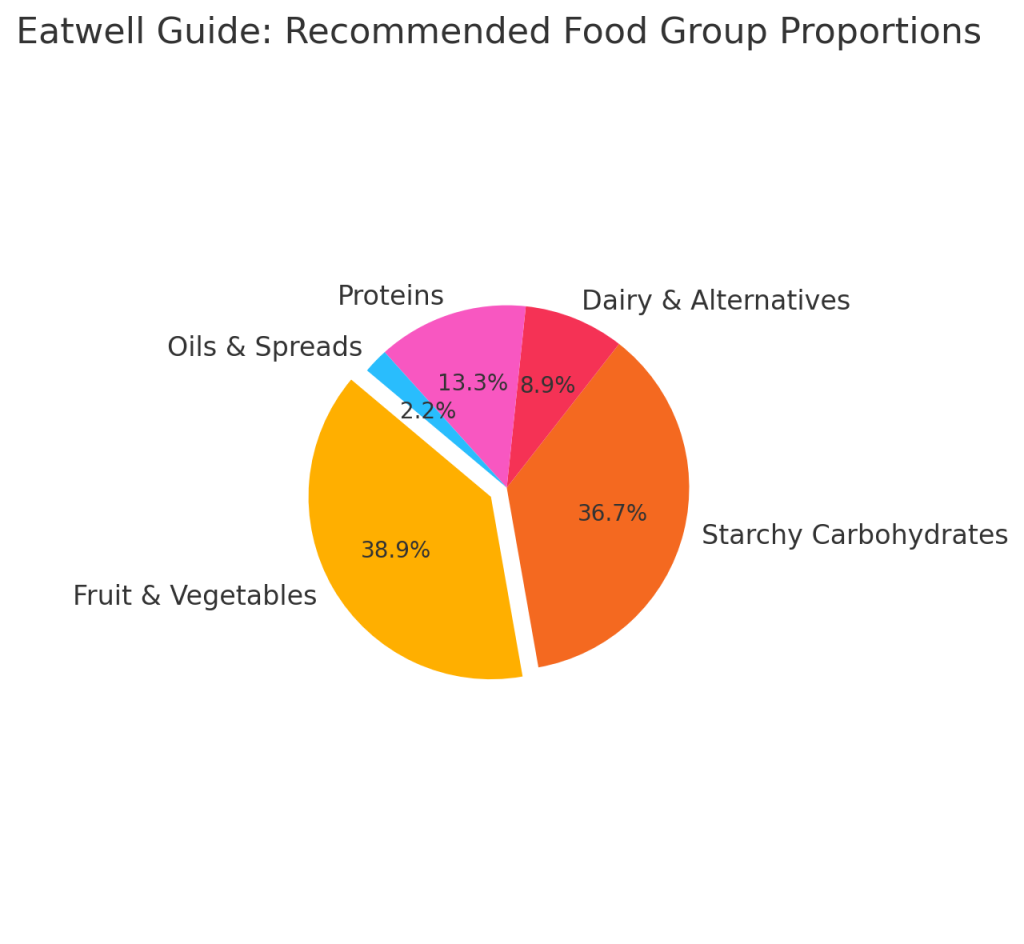
The Eatwell Guide: Your Visual Nutrition Reference

The UK government’s Eatwell Guide provides a simple and effective way to understand how to balance your plate. It recommends:

  • A large portion of fruits and vegetables
  • Wholegrain starchy carbohydrates
  • Moderate amounts of dairy or dairy alternatives
  • Lean sources of protein
  • Small amounts of unsaturated fats
  • Plenty of fluids (6–8 glasses of water daily)

Balance does not need to be achieved at every meal, but aiming for this distribution across the week supports overall nutritional health.

The Eatwell Guide


Energy Balance: Calories In vs Calories Out

One of the most crucial aspects of maintaining or achieving a healthy weight is understanding calorie balance:

  • Weight gain occurs when you consume more calories than you burn.
  • Weight loss occurs when you burn more calories than you consume.

Calories are burned in two primary ways:

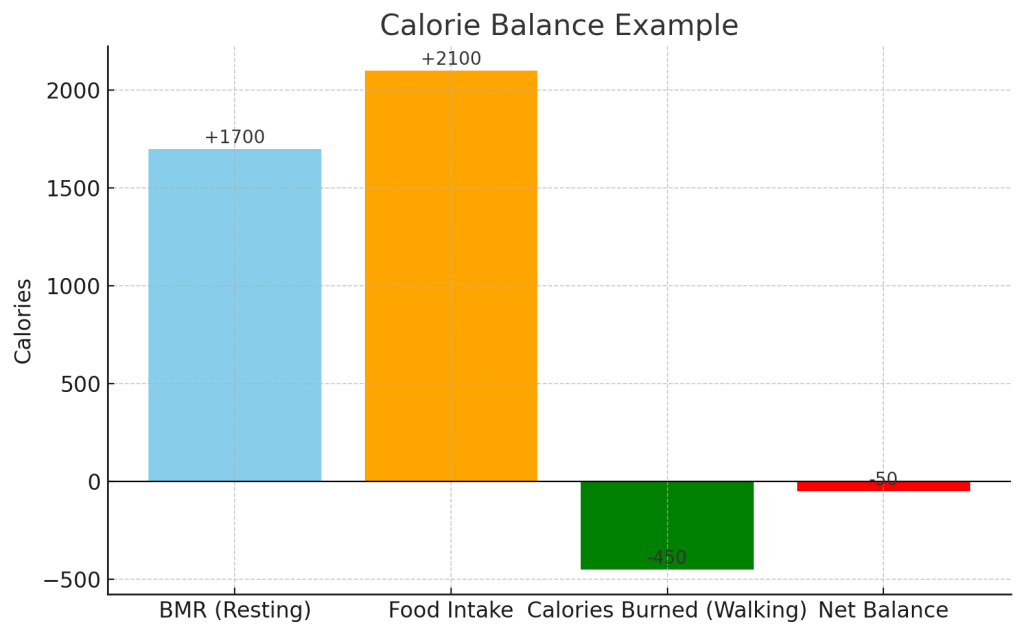
  1. Basal Metabolic Rate (BMR): The calories your body burns at rest to keep you alive (breathing, digestion, circulation).
  2. Physical Activity: Movement throughout the day (both exercise and daily tasks).

Calorie Balance Chart


How to Calculate Your BMR

Your BMR depends on age, gender, weight, height, and overall health. Here are two common formulas:

  • Men: 66.47 + (13.75 x weight in kg) + (5.003 x height in cm) – (6.755 x age in years)
  • Women: 655.1 + (9.563 x weight in kg) + (1.85 x height in cm) – (4.676 x age in years)

Example: John is 30 years old. His BMR is approximately 1700 calories. He consumes 2100 calories daily. To enter a calorie deficit and promote weight loss, John adds a daily 60-minute walk, burning an extra 450 calories. This puts him into a sustainable deficit, leading to gradual weight loss.


How Diet Affects Weight

Highly processed and high-fat foods often contain significantly more calories than whole, nutrient-dense alternatives. A diet consistently high in saturated fat and low in nutrients can contribute to unwanted weight gain, especially when combined with low activity levels.

  • Processed foods = high in calories, low in nutritional value
  • Whole foods = nutrient-dense, naturally lower in calories

Fibre, Vitamins, Minerals, and Water

Fibre:

Supports digestion and helps keep you full. Found in whole grains, fruits, vegetables, legumes, and seeds.

Vitamins and Minerals:

Essential for immune health, bone strength, energy production, and more. Achieve this through a varied diet rich in colourful vegetables, fruit, nuts, seeds, and lean proteins.

Water:

Often overlooked, water is vital for every cellular function. Aim for at least 6–8 glasses per day, more if active or in hot weather.


Movement and Exercise

You don’t need to run marathons to burn calories. Your body burns energy even at rest, but activity increases your calorie output.

NEAT (Non-Exercise Activity Thermogenesis):

Low-intensity movements that still burn calories. Examples include:

  • Walking
  • Household chores
  • Gardening
  • Light movement throughout the day

Exercise:

Structured activity is a great way to support weight management and improve health:

  • Cardio: Walking, running, cycling, swimming
  • Strength Training: Weight lifting, resistance bands, bodyweight exercises
  • Pilates & Yoga: Improve flexibility, strength, and reduce stress
  • Sports: Football, hockey, tennis, etc.

Targeting Belly Fat: What You Need to Know

Many people want to reduce belly fat specifically. Unfortunately, spot reduction (targeting fat loss in one area) is a myth. Fat loss occurs across the entire body.

The best approach is:

  • Create a calorie deficit through diet and movement
  • Build a consistent exercise routine
  • Incorporate abdominal strengthening exercises like crunches, planks, and leg raises
  • Maintain sustainable habits over time

As your body fat percentage drops, so too will fat in the abdominal area, along with the rest of the body.


Key Takeaways for a Balanced Lifestyle

  • Balance your plate: Follow the Eatwell Guide for nutrient variety
  • Stay hydrated: Water is essential for all functions
  • Move more: Aim for a mix of NEAT and exercise
  • Track your intake: Awareness leads to better decisions
  • Prioritise whole foods: Less processed, more nutrients
  • Be consistent: Small changes over time lead to lasting results

A balanced diet isn’t about restriction or perfection. It’s about nourishing your body, making informed choices, and supporting your goals—whether that’s weight loss, muscle gain, or simply feeling better day-to-day. Focus on variety, moderation, and sustainability, and you’ll build habits that support health for life.

If you’re unsure where to start, consider speaking to a nutritionist, personal trainer, or health professional for personalised advice tailored to your goals.

Alternatively contact a member of our team and we can work with you on your nutrition, exercise and general wellbeing / recovery all in one place.

How Can I Lower My Cholesterol?

How Can I Lower My Cholesterol?

So, let’s be honest, High Cholesterol is pretty bad. We all know this, and everytime we speak to any medical practitioners, they will tell us what we know,it is a killer. High cholesterol is a common health issue that can increase the risk of other health concerns such as heart disease and various other cardiovascular problems. However, the good news is that cholesterol levels can be managed and even lowered through lifestyle changes, dietary adjustments, and, in some cases, medical intervention. This article will explore practical ways to reduce cholesterol levels and improve heart health.

Understanding Cholesterol

Cholesterol is a fatty substance found in the blood. It is essential for bodily functions such as hormone production and cell membrane formation. However, too much “bad” cholesterol (LDL) can lead to plaque buildup in the arteries, increasing the risk of heart disease and stroke. On the other hand, “good” cholesterol (HDL) helps remove excess cholesterol from the bloodstream. The key to managing cholesterol is to lower LDL while increasing HDL.

Ways to Lower Cholesterol Naturally

1. Improve Your Diet

Your diet plays a crucial role in cholesterol management. Here are some dietary changes that can help:

  • Increase fiber intake – Foods high in soluble fiber, such as oats, beans, lentils, and fruits, help reduce LDL cholesterol.
  • Choose healthy fats – Replace saturated fats (found in processed foods and fatty meats) with healthy fats from sources like avocados, nuts, seeds, and olive oil.
  • Eat more omega-3 fatty acids – Fatty fish such as salmon, mackerel, and sardines can boost HDL cholesterol.
  • Limit processed foods and sugars – High sugar intake can contribute to cholesterol imbalances. Opt for whole, unprocessed foods instead.

2. Stay Active

Regular exercise can raise HDL (good cholesterol) and lower LDL (bad cholesterol). Aim for at least 150 minutes of moderate exercise per week, such as:

  • Brisk walking or jogging
  • Cycling or swimming
  • Strength training and resistance exercises

If you are unsure about what type of exercise is best for you then you can talk to a personal trainer.

3. Maintain a Healthy Weight

Excess weight can contribute to higher cholesterol levels. Losing even 5-10% of your body weight can significantly improve cholesterol levels and overall heart health.

4. Quit Smoking and Limit Alcohol

  • Smoking lowers good cholesterol and damages blood vessels, increasing the risk of heart disease. Quitting smoking can improve cholesterol levels within weeks.
  • Alcohol should be consumed in moderation. Excessive drinking can raise cholesterol and triglyceride levels.

5. Consider Supplements and Natural Remedies

Certain supplements have been shown to support cholesterol management, including:

  • Plant sterols and stanols – Found in fortified foods and some supplements, these can help lower LDL cholesterol.
  • Psyllium husk – A fiber supplement that can reduce cholesterol absorption.
  • Garlic extract and green tea extract – These have been linked to mild reductions in cholesterol levels.

6. Medication (If Necessary)

In some cases, lifestyle changes alone may not be enough. If your cholesterol levels remain high, your doctor may recommend statins or other cholesterol-lowering medications. Always consult with a healthcare professional before starting any medication.

Summary: How We Can Help

At Livewell Health, our team of expert nutritionists can help you create a personalised plan to lower your cholesterol. We offer:
Phone consultations for quick advice and guidance.
Video consultations for a more in-depth discussion about your diet and lifestyle.
Bespoke nutrition plans tailored to your specific needs and goals.

Lowering your cholesterol doesn’t have to be a struggle. With the right plan, professional guidance, and support, you can take control of your heart health. Contact us today to book a consultation and start your journey toward better health!

What is Equinus?

Equinus Overview

What is Equinus?

Equinus is a condition where the dorsiflexion of the ankle joint is reduced or limited ( upward bending motion ), making it difficult to list the foot / toes to the shin. This limited movement and restriction can inevitably lead to a number of other compensatory movements and biomechanical imbalances within not just the foot and leg but up to and including the hips, affecting walking, running, and overall mobility.

Causes of Equinus

Equinus can occure due to a number of factors, including:

  • Tightness or shortening of the Achilles tendon or calf muscles (gastrocnemius and soleus).
  • Neuromuscular disorders such as cerebral palsy, muscular dystrophy, or spasticity conditions.
  • Congenital conditions where the Achilles tendon is naturally short from birth.
  • Prolonged immobilisation (e.g., wearing a cast or walking in high heels for long periods).
  • Bone abnormalities such as a bony block at the ankle joint.
  • Trauma or injury that leads to scar tissue formation or contracture.

Obviously we would always recommend consulting a doctor in order to find out the exact cause of your Equinus, if in deed that is what it is.

Symptoms and Effects

  • Difficulty walking with a normal heel-to-toe gait.
  • Walking on the toes or a flat-footed gait to compensate for limited ankle movement.
  • Increased stress on the knees, hips, and lower back.
  • Development of secondary conditions such as plantar fasciitis, Achilles tendonitis, metatarsalgia, or shin splints.
  • Foot deformities such as flat feet, high arches, or bunions due to compensatory movements.
  • Tightness in the calves upon movement.
  • Nerve related issues into the foot such as tingling or numbness.

It is always best to consult a doctor or physical therapst to run through some special tests and an examination of these symptons to accurately diagnose your condition.

Diagnosis

A healthcare professional, such as a doctor, podiatrist, physical therapist, or orthopedic specialist, diagnoses equinus through:

  • Physical Examination: Assessing ankle dorsiflexion range with the knee bent and extended.
  • Gait Analysis: Observing walking patterns and compensations.
  • Imaging Tests: X-rays, MRI, or ultrasound to check for bone or soft tissue abnormalities.

Treatment Options

Management of equinus depends on the underlying cause and severity. Common treatment approaches include:

  1. Stretching and Physical Therapy:

  2. Orthotic Devices and Footwear Modifications:

    • Heel lifts or custom orthotics to accommodate limited dorsiflexion.
    • Supportive footwear with a rocker sole to facilitate movement.
  3. Bracing and Splinting:

    • Night splints or dynamic orthotics to maintain ankle flexibility.
  4. Medication and Pain Management:

    • Anti-inflammatory medications to reduce pain and inflammation.
    • Injections such as Botox (for spasticity-related equinus).
  5. Surgical Intervention (Severe Cases):

    • Gastrocnemius Recession or Achilles Tendon Lengthening to increase dorsiflexion.
    • Joint Release or Bone Surgery if structural abnormalities are present.

Prognosis

With the right treatment, equinus can be management effectively and not cause any life limiting restrictions and most individuals can improve mobility and reduce pain. Early intervention is key to preventing complications and long-term musculoskeletal imbalances.

Exercises

We have provided below a short stretching program that can be used initially, but we always recommend having a bespoke plan designed based on your goals and personal circumstances.

Perform these exercises daily, ideally 2–3 times per day.

1. Standing Wall Calf Stretch

Purpose: Stretches the gastrocnemius (upper calf).
Hold for: 30–45 seconds per leg | Repeat: 2–3 times

  • Stand facing a wall, placing both hands against it.
  • Step one foot back while keeping it straight and pressing the heel into the floor.
  • Bend the front knee slightly and lean forward.
  • Keep your back leg straight and heel down.
  • Switch legs and repeat.

2. Bent Knee Calf Stretch (Soleus Stretch)

Purpose: Targets the soleus (lower calf, deeper muscle).
Hold for: 30–45 seconds per leg | Repeat: 2–3 times

  • Follow the same setup as the first stretch but bend the back knee slightly.
  • Keep your heel on the ground as you lean into the stretch.
  • You should feel the stretch lower in the calf, closer to the Achilles tendon.

3. Seated Towel Stretch

Purpose: Stretches calves and improves circulation.
Hold for: 30 seconds per leg | Repeat: 2 times

  • Sit with both legs extended straight in front of you.
  • Loop a towel or resistance band around the ball of one foot.
  • Gently pull the towel towards you, keeping your leg straight.
  • Hold and then switch sides.

4. Foam Rolling for Calves

Purpose: Releases muscle tightness and promotes blood flow.
Roll for: 1–2 minutes per leg

  • Sit on the floor and place a foam roller under your calf.
  • Use your hands to lift your body slightly and roll up and down from the ankle to just below the knee.
  • To increase pressure, cross your other leg over the top.

5. Heel Raises (Circulation Booster)

Purpose: Activates the calf muscles and improves circulation.
Do: 15–20 reps | Repeat: 2–3 sets

  • Stand with feet hip-width apart, holding onto a stable surface if needed.
  • Slowly rise onto your toes, lifting your heels as high as possible.
  • Hold for a second at the top, then slowly lower down.
  • For an added challenge, perform single-leg heel raises.

6. Ankle Mobility Circles

Purpose: Improves circulation and prevents nerve compression.
Do: 10 circles in each direction per foot

  • Sit down or lie back with your legs extended.
  • Rotate your ankle in a circular motion, making big circles.
  • Reverse the direction after 10 reps.

7. Nerve Glide for Sciatic and Tibial Nerves (If Numbness Persists)

Purpose: Frees up nerves that could be causing foot numbness.
Do: 10 slow reps per leg

  • Sit on a chair with one leg extended.
  • Point and flex your toes while sitting tall.
  • You can add a head tilt (look up when flexing, down when pointing) to enhance the nerve glide.


As you can see Equinus should not be a worry or impact your life in any negative way, you should see that with positivity and some physical intervention you can live a very normal and sporty life. We treat and have treated many individuals with this condition, some of which are elite football players and it is something that can be managed effectively. If you are struggling with what you think is Equinus, then please contact our team today or arrange a booking through our online booking system to see one of our Physiotherapists or Sports Therapists.

Fibre and Bowel Cancer: A Nutritional Therapists Perspective

Fibre and Bowel Cancer: A Nutritional Therapists Perspective

As a nutritionist, one of the most common questions I get asked is about the role of diet in cancer prevention, particularly bowel (or colorectal) cancer. Among the many dietary factors that can influence the risk of developing this type of cancer, fibre stands out as one of the most significant. Increasing evidence suggests that dietary fibre plays a key role in lowering the risk of bowel cancer. In this article, I’ll discuss how fibre works to protect the bowel, the types of fibre to focus on, and practical tips for increasing fibre intake.

What is Fibre and How Does It Work?

Fibre is the indigestible part of plant foods that passes through the digestive system largely intact. It is found in fruits, vegetables, whole grains, legumes, and nuts. While we often think of fibre as something that helps with digestion and keeps things “moving,” its benefits extend well beyond simple bowel regularity.

There are two main types of dietary fibre:

Soluble Fibre: This type of fibre dissolves in water to form a gel-like substance. It helps regulate blood sugar and can lower cholesterol levels. Foods high in soluble fibre include oats, beans, lentils, apples, and carrots.

Insoluble Fibre: This type of fibre does not dissolve in water. It adds bulk to stool and helps move waste through the digestive tract, preventing constipation. Whole grains, seeds, nuts, and vegetables such as cauliflower and green beans are good sources of insoluble fibre.

Both types of fibre are important for gut health, but when it comes to reducing the risk of bowel cancer, insoluble fibre is particularly beneficial.

The Link Between Fibre and Bowel Cancer

Bowel cancer, also known as colorectal cancer, is one of the most common cancers worldwide. The exact cause of bowel cancer is still not fully understood, but it is thought to develop due to a combination of genetic, environmental, and lifestyle factors. Among these factors, diet plays a key role, and fibre intake is one of the most studied.

Mechanisms of Protection

1. Increased Stool Bulk and Faster Transit Time

Insoluble fibre helps to bulk up stools and speed up their passage through the colon. This shorter transit time means the colon is exposed to potentially harmful substances for a shorter period, reducing the risk of damage to cells in the bowel lining. Prolonged exposure to waste products, particularly carcinogenic substances produced during the digestion of red or processed meats, can increase the risk of cancer.

2. Fermentation and Production of Short-Chain Fatty Acids (SCFAs)

When fibre, particularly soluble fibre, reaches the colon, it is fermented by gut bacteria. This fermentation produces short-chain fatty acids (SCFAs) like butyrate, which have anti-inflammatory and anti-cancer properties. Butyrate, in particular, has been shown to promote the health of the cells lining the colon, stimulate cell repair, and even induce cancer cell death in some cases.

3. Improved Gut Microbiota

A high-fibre diet encourages a healthy balance of gut bacteria. A diverse and well-balanced microbiome is thought to play a protective role in reducing inflammation and preventing the development of diseases, including colorectal cancer. Fibre-rich foods support the growth of beneficial bacteria that can outcompete harmful bacteria, reducing the overall risk of gut-related diseases.

4. Detoxification

Fibre helps to bind and remove toxins and carcinogens from the body. In particular, insoluble fibre can bind to bile acids in the colon, reducing the reabsorption of these substances, which have been linked to increased cancer risk when they accumulate over time.

Research on Fibre and Colorectal Cancer

Numerous studies have demonstrated the protective effect of fibre against bowel cancer. According to the World Health Organization (WHO) and the American Institute for Cancer Research (AICR), individuals who consume a high-fibre diet have a significantly lower risk of colorectal cancer compared to those who consume less fibre.

The European Prospective Investigation into Cancer and Nutrition (EPIC) study, which followed over half a million participants, found that each additional 10 grams of fibre consumed per day was associated with a 10-12% reduction in the risk of colorectal cancer. A systematic review published in *The Lancet* also concluded that higher fibre intake, particularly from whole grains, fruits, and vegetables, is inversely associated with the risk of colon cancer.

However, it’s important to note that not all types of fibre have the same impact. The greatest protective effects have been observed from fibre found in whole plant foods, particularly fruits, vegetables, and whole grains, rather than processed or refined fibre supplements.

Practical Tips for Increasing Fibre Intake

If you’re looking to boost your fibre intake and lower your risk of bowel cancer, here are some simple, nutritionist-approved tips:

1. Choose Whole Grains

Switch to whole grain varieties of bread, pasta, rice, and cereal. Foods like quinoa, brown rice, barley, and oats are excellent sources of fibre. Whole grains retain the bran and germ, which contain the bulk of the fibre.

2. Eat More Vegetables and Fruits

Aim for a variety of colourful vegetables and fruits in every meal. Aim for at least five servings a day. Choose fibrous options like broccoli, spinach, carrots, apples, pears, and berries. The skins of fruits and vegetables are rich in fibre, so try to eat them unpeeled where possible.

3. Incorporate Legumes and Pulses

Beans, lentils, chickpeas, and peas are not only high in fibre but also provide a great source of plant-based protein. Try adding them to soups, salads, and casseroles or making bean dips like hummus.

4. Snack on Nuts and Seeds

Almonds, walnuts, chia seeds, and flaxseeds are excellent sources of fibre. Keep a small portion on hand for an easy, fibre-rich snack.

5. Gradually Increase Fibre Intake

If you’re not used to eating a lot of fibre, it’s important to increase your intake gradually to avoid digestive discomfort. Be sure to drink plenty of water to help fibre move smoothly through the digestive system.

6. Limit Processed Foods

Processed and refined foods, such as white bread, sugary snacks, and packaged meals, are low in fibre and can contribute to bowel problems. Opt for whole, unprocessed foods whenever possible.

Conclusion

Fibre plays a critical role in maintaining a healthy bowel and reducing the risk of bowel cancer. By incorporating a variety of fibre-rich foods into your diet, you not only improve digestive health but also help protect yourself from a range of chronic diseases, including colorectal cancer. Whether through soluble or insoluble fibre, the protective benefits are clear, and with small changes to your eating habits, you can significantly lower your cancer risk while enjoying a diverse, balanced diet.

As a nutritionist, I always encourage clients to think of food as medicine. A diet rich in whole foods, especially fibre-rich fruits, vegetables, and whole grains, provides the body with the tools it needs to reduce the risk of disease and promote long-term health.

If you are interested in discussing your nutritional requirements with one of our highly qualified nutritionists then please contact us today or make a booking online.

Article written by Valentina Willats, checked and posted by Steven Hartill.