Double Plantar Flexor Stretch, A Biomechanical Perspective

Double Plantar Flexor Stretch

The double plantar flexor stretch is a weight bearing, closed chain exercise that encourages ankle dorsiflexion while engaging both lower limbs at the same time. It is an effective way to improve flexibility through the back of the lower leg while also integrating the foot, ankle, knee and hip into one coordinated movement.

As the heels move down towards the ground and the ankles travel into dorsiflexion, the calf muscles are placed under controlled stretch. The gastrocnemius and soleus are the primary muscles involved, with the gastrocnemius experiencing a stronger stretch when the knees are more extended due to its role across both the knee and ankle joints. The soleus provides deeper stability and control at the ankle, supporting improved movement efficiency. Together, this helps restore a more optimal length and function within the calf complex, which is essential for effective walking and running mechanics.

This movement also targets the deeper muscles of the lower leg, including tibialis posterior, flexor digitorum longus and flexor hallucis longus. These structures play an important role in maintaining arch support and controlling foot stability. By improving flexibility and reducing excessive tightness, the stretch helps the foot move more efficiently between pronation and supination during stance.

The position of the foot during this stretch is key. With both feet in contact with the ground, load is distributed evenly across the forefoot and heel. This encourages balanced joint movement through the ankle and midfoot, while also supporting more even loading of the Achilles tendon. Compared to single leg stretching, this can help reduce asymmetries and improve overall movement patterns.

Further up the chain, the hamstrings work to stabilise the knee, ensuring that the stretch is directed through the ankle rather than being compensated for by bending at the knee. This allows for a more targeted and effective stretch of the calf muscles.

From a connective tissue perspective, this stretch loads the posterior chain, linking the plantar fascia, Achilles tendon, calf muscles, hamstrings and into the pelvis. Improving the flexibility and function of this chain supports better energy transfer, which is essential for activities such as walking, running and jumping.

Neurologically, working both legs together increases sensory feedback from the feet and ankles. This can improve balance, coordination and overall movement control, particularly following periods of inactivity, prolonged sitting or repetitive loading patterns.

From a functional standpoint, improving flexibility in the calf muscles can increase stride length, enhance shock absorption and improve propulsion during movement. It can also reduce compensatory stress through the knees and lower back, supporting more efficient and comfortable movement patterns.

In summary, the double plantar flexor stretch is an effective, whole body movement that improves ankle mobility, supports Achilles tendon function and promotes more balanced, efficient lower limb mechanics.

If you are suffering with pain in the plantar or foot you can speak to our sports therapy or physiotherapy team by calling – 0330 043 2501. Alternatively you may be interested in a massage which you can book through our booking page located here.

Instagram: @LWHEALTH
Facebook: @livewellhealthuk
Wrist Flexor Stretch, A Biomechanical Perspective

Wrist Flexor Stretch Biomechanics

The wrist flexor stretch performed in a quadruped, weight bearing position is an effective upper limb mobility exercise that promotes flexibility through the front of the forearm while supporting joint control and stability. This position places the hand in contact with the ground, allowing the wrist to move into extension under controlled load, which helps counteract the flexion dominant positions commonly seen during typing, gripping, and manual work.

As the palms are placed firmly on the floor and the wrists extend, key forearm muscles including flexor carpi radialis, flexor carpi ulnaris, palmaris longus, flexor digitorum superficialis and profundus, and flexor pollicis longus are gradually lengthened. These muscles are responsible for bending the wrist and fingers, and when overused or held in shortened positions, they can become tight and overactive. Stretching them in this way helps restore a more optimal balance between muscle length and function, reducing unnecessary tension through the forearm.

With the fingers extended and body weight passing through the hands, this stretch creates a multi joint effect across the wrist and fingers. This encourages improved movement of the tendons as they glide through the carpal tunnel and along the finger pathways, helping to reduce friction and improve overall hand efficiency.

From a joint perspective, the closed chain nature of this exercise distributes load evenly across the wrist structures. This promotes better alignment of the carpal bones and reduces the risk of placing excessive strain on individual tendons or tissues. As a result, it is often a safer and more controlled option compared to aggressive passive stretching.

Further up the arm, muscles such as the brachialis, biceps brachii, brachioradialis, and pronator teres work to stabilise the elbow and forearm. This stability ensures that the stretch remains focused on the wrist and forearm, rather than being compensated for by movement at the elbow or shoulder.

Neurologically, holding the wrist in an extended, weight bearing position increases sensory feedback from the hand and forearm. This helps improve coordination between the muscles that flex and extend the wrist, enhancing overall joint control during tasks such as pushing, lifting, crawling, and weight transfer.

The stretch also influences the connective tissue system, loading the anterior fascial line of the upper limb. This can improve the ability of tissues to move freely against each other, supporting smoother hand opening and reducing fatigue in the forearm during repetitive activity.

From a functional standpoint, improving the flexibility of the wrist flexors can enhance dexterity, reduce the likelihood of overuse injuries, and support more efficient movement patterns during both everyday tasks and sporting activity.

In summary, the wrist flexor stretch is a highly effective, load tolerant exercise that helps restore forearm flexibility, improve wrist alignment, and support strong, stable, and pain free movement of the hand and wrist.


If you are suffering with pain in the wrists or flexors you can speak to our sports therapy or physiotherapy team by calling – 0330 043 2501. Alternatively you may be interested in a massage which you can book through our booking page located here.

How Does Massage Help Osteoarthritis?

How Does Massage Help Osteoarthritis?

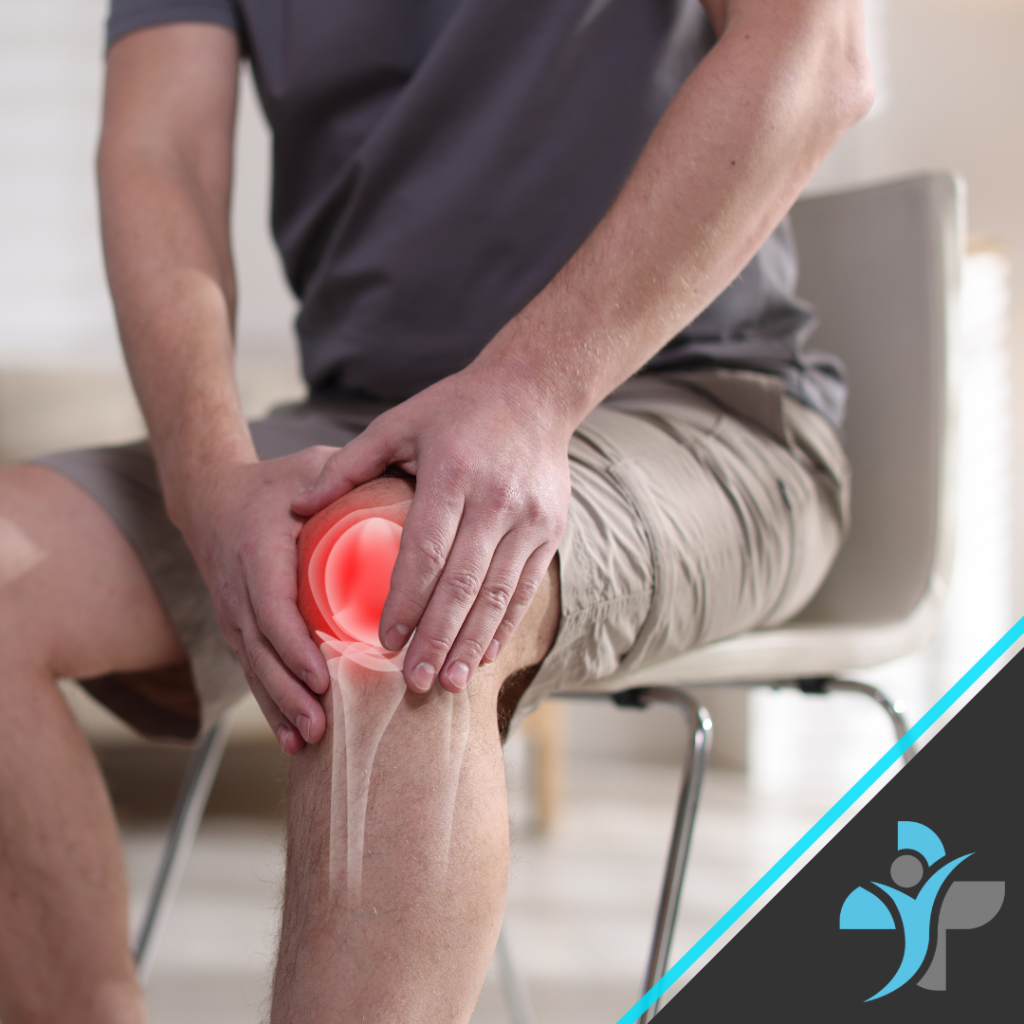
This article builds on LiveWell Health’s wider osteoarthritis management guidance. Here, we focus specifically on how massage therapy may help reduce joint pain, stiffness, and improve mobility as part of a structured care plan. Osteoarthritis (OA) is a common joint condition where protective cartilage wears down, causing pain, stiffness, and reduced mobility. While medications, physical therapy, and exercise are primary treatments, massage therapy is often used as a complementary approach to help relieve symptoms and improve quality of life.

How Massage May Help Osteoarthritis

Massage may support osteoarthritis management through several mechanisms:

  • Reducing muscle tension around affected joints
  • Improving local circulation to support tissue health
  • Supporting relaxation and reducing general muscle stiffness
  • Reducing stress and promoting overall wellbeing

How Often Should Massage Be Used?

Benefits are typically seen with regular sessions over several weeks. Massage is not intended to replace medical treatment for osteoarthritis but may form a useful supportive approach when combined with exercise, weight management, physical therapy, and appropriate medical care.

Expected Timeline of Benefits

Week 1–2: Initial relaxation and mild reduction in muscle tension around affected joints; some improvement in comfort during daily activities.
Week 3–4: Noticeable improvement in joint mobility and reduction in stiffness; easier movement during walking, climbing stairs, or light exercise.
Week 5–6: Enhanced functional gains; more consistent pain relief and better tolerance for daily activity.
Week 7–8: Best short-term results observed in research; improved flexibility, reduced stiffness, and greater comfort in performing routine tasks.

Safety Considerations

Massage should be avoided if joint pain significantly worsens or if inflammation or swelling increases. Seek medical assessment if osteoarthritis symptoms change suddenly, or if there are severe pain, joint instability, or other unusual symptoms.

Can massage help Osteoarthritis

Related Reading

For further information on issues around Arthritis, you may find the following LiveWell Health resources helpful:

Hip Arthritis

Arthritis

Get in touch!

At Livewell Health, our expert team of Physiotherapists can provide help through assessments and targeted treatments to help should you feel your suffering from Osteoarthritis, alternatively one of our specialits massage therapists can also help. Book your consultation today!

Follow us on social media for recovery tips and updates:
Instagram : @LWHEALTH
Facebook : @livewellhealthuk

What is Equinus?

Equinus Overview

What is Equinus?

Equinus is a condition where the dorsiflexion of the ankle joint is reduced or limited ( upward bending motion ), making it difficult to list the foot / toes to the shin. This limited movement and restriction can inevitably lead to a number of other compensatory movements and biomechanical imbalances within not just the foot and leg but up to and including the hips, affecting walking, running, and overall mobility.

Causes of Equinus

Equinus can occure due to a number of factors, including:

  • Tightness or shortening of the Achilles tendon or calf muscles (gastrocnemius and soleus).
  • Neuromuscular disorders such as cerebral palsy, muscular dystrophy, or spasticity conditions.
  • Congenital conditions where the Achilles tendon is naturally short from birth.
  • Prolonged immobilisation (e.g., wearing a cast or walking in high heels for long periods).
  • Bone abnormalities such as a bony block at the ankle joint.
  • Trauma or injury that leads to scar tissue formation or contracture.

Obviously we would always recommend consulting a doctor in order to find out the exact cause of your Equinus, if in deed that is what it is.

Symptoms and Effects

  • Difficulty walking with a normal heel-to-toe gait.
  • Walking on the toes or a flat-footed gait to compensate for limited ankle movement.
  • Increased stress on the knees, hips, and lower back.
  • Development of secondary conditions such as plantar fasciitis, Achilles tendonitis, metatarsalgia, or shin splints.
  • Foot deformities such as flat feet, high arches, or bunions due to compensatory movements.
  • Tightness in the calves upon movement.
  • Nerve related issues into the foot such as tingling or numbness.

It is always best to consult a doctor or physical therapst to run through some special tests and an examination of these symptons to accurately diagnose your condition.

Diagnosis

A healthcare professional, such as a doctor, podiatrist, physical therapist, or orthopedic specialist, diagnoses equinus through:

  • Physical Examination: Assessing ankle dorsiflexion range with the knee bent and extended.
  • Gait Analysis: Observing walking patterns and compensations.
  • Imaging Tests: X-rays, MRI, or ultrasound to check for bone or soft tissue abnormalities.

Treatment Options

Management of equinus depends on the underlying cause and severity. Common treatment approaches include:

  1. Stretching and Physical Therapy:

  2. Orthotic Devices and Footwear Modifications:

    • Heel lifts or custom orthotics to accommodate limited dorsiflexion.
    • Supportive footwear with a rocker sole to facilitate movement.
  3. Bracing and Splinting:

    • Night splints or dynamic orthotics to maintain ankle flexibility.
  4. Medication and Pain Management:

    • Anti-inflammatory medications to reduce pain and inflammation.
    • Injections such as Botox (for spasticity-related equinus).
  5. Surgical Intervention (Severe Cases):

    • Gastrocnemius Recession or Achilles Tendon Lengthening to increase dorsiflexion.
    • Joint Release or Bone Surgery if structural abnormalities are present.

Prognosis

With the right treatment, equinus can be management effectively and not cause any life limiting restrictions and most individuals can improve mobility and reduce pain. Early intervention is key to preventing complications and long-term musculoskeletal imbalances.

Exercises

We have provided below a short stretching program that can be used initially, but we always recommend having a bespoke plan designed based on your goals and personal circumstances.

Perform these exercises daily, ideally 2–3 times per day.

1. Standing Wall Calf Stretch

Purpose: Stretches the gastrocnemius (upper calf).
Hold for: 30–45 seconds per leg | Repeat: 2–3 times

  • Stand facing a wall, placing both hands against it.
  • Step one foot back while keeping it straight and pressing the heel into the floor.
  • Bend the front knee slightly and lean forward.
  • Keep your back leg straight and heel down.
  • Switch legs and repeat.

2. Bent Knee Calf Stretch (Soleus Stretch)

Purpose: Targets the soleus (lower calf, deeper muscle).
Hold for: 30–45 seconds per leg | Repeat: 2–3 times

  • Follow the same setup as the first stretch but bend the back knee slightly.
  • Keep your heel on the ground as you lean into the stretch.
  • You should feel the stretch lower in the calf, closer to the Achilles tendon.

3. Seated Towel Stretch

Purpose: Stretches calves and improves circulation.
Hold for: 30 seconds per leg | Repeat: 2 times

  • Sit with both legs extended straight in front of you.
  • Loop a towel or resistance band around the ball of one foot.
  • Gently pull the towel towards you, keeping your leg straight.
  • Hold and then switch sides.

4. Foam Rolling for Calves

Purpose: Releases muscle tightness and promotes blood flow.
Roll for: 1–2 minutes per leg

  • Sit on the floor and place a foam roller under your calf.
  • Use your hands to lift your body slightly and roll up and down from the ankle to just below the knee.
  • To increase pressure, cross your other leg over the top.

5. Heel Raises (Circulation Booster)

Purpose: Activates the calf muscles and improves circulation.
Do: 15–20 reps | Repeat: 2–3 sets

  • Stand with feet hip-width apart, holding onto a stable surface if needed.
  • Slowly rise onto your toes, lifting your heels as high as possible.
  • Hold for a second at the top, then slowly lower down.
  • For an added challenge, perform single-leg heel raises.

6. Ankle Mobility Circles

Purpose: Improves circulation and prevents nerve compression.
Do: 10 circles in each direction per foot

  • Sit down or lie back with your legs extended.
  • Rotate your ankle in a circular motion, making big circles.
  • Reverse the direction after 10 reps.

7. Nerve Glide for Sciatic and Tibial Nerves (If Numbness Persists)

Purpose: Frees up nerves that could be causing foot numbness.
Do: 10 slow reps per leg

  • Sit on a chair with one leg extended.
  • Point and flex your toes while sitting tall.
  • You can add a head tilt (look up when flexing, down when pointing) to enhance the nerve glide.


As you can see Equinus should not be a worry or impact your life in any negative way, you should see that with positivity and some physical intervention you can live a very normal and sporty life. We treat and have treated many individuals with this condition, some of which are elite football players and it is something that can be managed effectively. If you are struggling with what you think is Equinus, then please contact our team today or arrange a booking through our online booking system to see one of our Physiotherapists or Sports Therapists.

Therapies and Treatments for Back Pain: What Works Best?

Therapies and Treatments for Back Pain: What Works Best?

Back pain is one of the most common ailments affecting people of all ages and lifestyles. Whether caused by poor posture, overuse, or underlying medical conditions, back pain can significantly impact daily activities and overall quality of life. Fortunately, there are a variety of therapies and treatments available to alleviate discomfort and promote recovery. At Livewell Health, we offer a range of evidence-based treatments tailored to individual needs. Here, we explore some of the most effective therapies for back pain and how they work.

1. Deep Tissue Massage

Deep tissue massage targets the deeper layers of muscles and connective tissue to release tension and break down adhesions. This therapy is particularly effective for chronic back pain caused by muscle strain or overuse. By applying firm pressure and slow strokes, deep tissue massage helps increase blood flow, reduce inflammation, and promote relaxation, leading to lasting relief.

2. Sports Massage

Originally designed for athletes, sports massage is an excellent option for anyone experiencing back pain due to physical activity or repetitive motions. This technique focuses on enhancing flexibility, preventing injuries, and addressing existing muscle imbalances. Sports massage can be especially helpful for individuals with active lifestyles or those recovering from sports-related injuries.

3. Reflexology

Reflexology involves applying pressure to specific points on the feet, hands, or ears that correspond to different areas of the body, including the back. This holistic approach aims to improve energy flow, reduce stress, and stimulate the body’s natural healing processes. Reflexology can be a great complementary treatment for those seeking a non-invasive option for managing back pain.

4. Exercise Therapy

Regular exercise is a cornerstone of back pain management. Targeted exercises strengthen the muscles supporting the spine, improve flexibility, and enhance posture. At Livewell Health, we provide customised exercise programs tailored to individual needs and capabilities. These programs often include stretches, core-strengthening exercises, and low-impact activities like swimming or yoga.

5. Heat Therapy

Applying heat to the affected area can help relax tense muscles, improve circulation, and reduce stiffness. Heat therapy is particularly beneficial for chronic or mild back pain. Options include heating pads, warm baths, or professionally administered heat treatments during a massage session.

6. Cold Therapy

Cold therapy, or cryotherapy, involves applying ice packs or cold compresses to the painful area. This treatment is effective for acute back pain resulting from injuries or inflammation. Cold therapy helps numb the area, reduce swelling, and slow nerve impulses, providing immediate relief. However this type of treatment must be used conservatively as the cold will stiffen muscles and in some cases can make things worse or at the very least slow down the healing process. Contrast bathing is a better option if you want to use Cold to reduce the pain and then follow that with heat.

7. Medical Acupuncture

Medical acupuncture combines traditional acupuncture techniques with modern medical knowledge to target specific pain points. By inserting thin needles into precise locations, this therapy stimulates the body’s natural pain-relief mechanisms, reduces inflammation, and promotes healing. Acupuncture is particularly effective for chronic back pain and can be used in conjunction with other treatments.

8. Cupping Therapy

Cupping therapy uses suction cups placed on the skin to increase blood flow and reduce muscle tension. This ancient practice can effectively alleviate back pain by loosening tight muscles, releasing fascia, and improving overall circulation. Many clients find cupping therapy to be a relaxing and rejuvenating experience.

Combining Treatments for Optimal Results

The best approach to treating back pain often involves a combination of therapies tailored to the individual’s specific condition and lifestyle. For instance, pairing deep tissue massage with exercise therapy can address both immediate discomfort and long-term prevention. Similarly, combining heat and cold therapy can provide comprehensive relief for acute pain episodes.

When to Seek Professional Help

While many cases of back pain can be managed with self-care and non-invasive treatments, it is important to seek professional help if the pain persists, worsens, or is accompanied by other symptoms such as numbness, weakness, or loss of bladder control. At Livewell Health, our team of experienced therapists and clinicians is here to provide expert care and personalised treatment plans.

Conclusion

Back pain doesn’t have to be a barrier to living a full and active life. With the right combination of therapies and treatments, it is possible to find relief and improve overall well-being. Whether you’re dealing with acute discomfort or chronic issues, Livewell Health offers a wide range of effective solutions to help you get back on track. Contact us today to learn more about our services and start your journey to a pain-free life.

The Role of Exercise and Stretching in Back Pain Relief

The Role of Exercise and Stretching in Back Pain Relief

Introduction
When you’re experiencing back pain, exercise may be the last thing on your mind. However, regular exercise and targeted stretching can play a vital role in alleviating back pain and preventing it from returning. By strengthening the core, improving flexibility, and promoting better posture, movement becomes the key to recovery. This article explores how specific exercises and stretches can help reduce back pain and support long-term spinal health.


Why Exercise and Stretching Help with Back Pain

Back pain often arises from muscle imbalances, weak core muscles, poor posture, or stiffness. Exercise and stretching address these issues by:

  • Improving Flexibility: Reduces muscle tension and increases range of motion.
  • Strengthening Supporting Muscles: Builds strength in the core, glutes, and back to reduce spinal strain.
  • Promoting Proper Posture: Corrects imbalances caused by poor habits or prolonged sitting.
  • Boosting Blood Flow: Promotes healing by delivering oxygen and nutrients to soft tissues.

When done correctly, exercise and stretching can speed up recovery and help prevent future episodes of back pain.


Effective Stretches for Back Pain Relief

1. Child’s Pose

  • Benefits: Gently stretches the lower back, hips, and thighs.
  • How to Do It:
    • Kneel on the floor and sit back on your heels.
    • Reach your arms forward and lower your chest toward the floor.
    • Hold for 20–30 seconds, breathing deeply.

2. Cat-Cow Stretch

  • Benefits: Improves spinal flexibility and relieves stiffness.
  • How to Do It:
    • Start on your hands and knees in a tabletop position.
    • Inhale and arch your back, lifting your head and tailbone (Cow Pose).
    • Exhale, round your spine, and tuck your chin toward your chest (Cat Pose).
    • Repeat 8–10 times.

3. Knee-to-Chest Stretch

  • Benefits: Relieves tension in the lower back and glutes.
  • How to Do It:
    • Lie on your back with your knees bent.
    • Bring one knee toward your chest and hold with your hands.
    • Hold for 20–30 seconds, then switch sides.

4. Piriformis Stretch

  • Benefits: Relieves sciatic pain by loosening the piriformis muscle.
  • How to Do It:
    • Sit on the floor, cross one ankle over the opposite knee.
    • Lean forward slightly to stretch the buttock and lower back.
    • Hold for 20–30 seconds, then switch sides.

Strengthening Exercises for Back Pain Prevention

1. Bridges

  • Benefits: Strengthens the glutes and core, reducing strain on the lower back.
  • How to Do It:
    • Lie on your back with your knees bent and feet flat on the floor.
    • Lift your hips toward the ceiling, squeezing your glutes.
    • Hold for 5 seconds, then lower. Repeat 10–12 times.

2. Bird-Dog Exercise

  • Benefits: Improves core stability and balance.
  • How to Do It:
    • Start on your hands and knees in a tabletop position.
    • Extend one arm forward and the opposite leg back, keeping your spine neutral.
    • Hold for 5 seconds, then switch sides. Repeat 8–10 times.

3. Planks

  • Benefits: Strengthens the entire core to support the spine.
  • How to Do It:
    • Lie face down and lift your body onto your forearms and toes, keeping your back straight.
    • Hold the position for 20–30 seconds, gradually increasing the time.

4. Wall Sits

  • Benefits: Builds strength in the legs, glutes, and lower back.
  • How to Do It:
    • Stand with your back against a wall. Slide down until your knees are at a 90-degree angle.
    • Hold for 20–30 seconds.

Exercise Tips to Prevent Injury

  1. Start Slowly: If you’re new to exercise, begin with gentle movements and gradually build intensity.
  2. Maintain Proper Form: Poor form can exacerbate back pain. Consult a professional if unsure.
  3. Listen to Your Body: Stop immediately if you feel sharp or worsening pain.
  4. Stay Consistent: Regular exercise provides long-term benefits for back pain prevention.

When to Seek Professional Help

While exercise and stretching are effective for most cases of back pain, persistent or severe pain may require professional support. At Livewell Health, our experts design personalised recovery programs using:

If you’re unsure where to begin, our team can guide you through safe and effective exercises tailored to your needs.


Related Articles


Call to Action

Struggling with back pain and unsure how to start exercising safely? At Livewell Health, we’re here to help! Our recovery specialists provide expert guidance, therapies, and exercise plans to get you moving pain-free.

Book your consultation today and take the first step toward a healthier back!

Follow us on social media for recovery tips and updates: 

Instagram : @LWHEALTH

Facebook : @livewellhealthuk

Sciatica Pain: Symptoms, Causes, and Treatment Options

Sciatica Pain: Symptoms, Causes, and Treatment Options

Introduction
Sciatica is a common condition that causes pain radiating along the sciatic nerve, which runs from your lower back through your hips, buttocks, and down each leg. The discomfort can range from mild to debilitating and may severely impact your daily life. In this article, we’ll break down what sciatica is, explore its causes, symptoms, and effective treatment options to help you get back to living pain-free.


What is Sciatica?

Sciatica isn’t a standalone condition—it’s a symptom caused by compression or irritation of the sciatic nerve, which is the longest nerve in the body. This compression often triggers pain, numbness, or tingling sensations along the nerve pathway.


Common Causes of Sciatica

Several conditions can irritate or compress the sciatic nerve:

  1. Herniated or Bulging Disc
    • A herniated disc is the most common cause of sciatica. When the inner portion of a spinal disc pushes out, it can compress the nearby nerve roots, including the sciatic nerve.
  2. Spinal Stenosis
    • The narrowing of the spinal canal can put pressure on the nerve roots, causing pain that radiates down the leg.
  3. Spondylolisthesis
    • When a vertebra slips out of place, it may pinch the sciatic nerve.
  4. Piriformis Syndrome
    • The piriformis muscle, located in the buttocks, can spasm or tighten, compressing the sciatic nerve.
  5. Degenerative Disc Disease
    • Age-related wear and tear on spinal discs can irritate the sciatic nerve over time.
  6. Injury or Trauma
    • Accidents, falls, or sports injuries that damage the spine or pelvis can contribute to sciatic pain.

Symptoms of Sciatica

Sciatica symptoms typically affect one side of the body and may include:

  • Radiating Pain: Sharp, shooting, or burning pain that starts in the lower back or buttocks and travels down the leg.
  • Numbness or Tingling: A “pins and needles” sensation in the legs, feet, or toes.
  • Muscle Weakness: Difficulty standing, walking, or moving the affected leg.
  • Worsening Pain: Symptoms can worsen when sitting, coughing, sneezing, or bending forward.

If your pain is accompanied by loss of bowel or bladder control, seek emergency medical attention, as this may indicate a serious condition like cauda equina syndrome.


Treatment Options for Sciatica

While sciatica can often resolve with conservative treatments, addressing the root cause is essential for long-term relief.

1. Home Remedies

  • Hot and Cold Therapy: Use ice packs during the first 48 hours to reduce inflammation, followed by heat to relax tight muscles.
  • Gentle Stretches: Targeted stretches can relieve pressure on the sciatic nerve.
    • Knee-to-Chest Stretch: Lie on your back and bring one knee toward your chest to gently stretch the lower back and glutes.
    • Piriformis Stretch: Cross one ankle over the opposite knee and pull toward your chest to loosen the piriformis muscle.

2. Exercise and Strengthening

  • Strengthening your core, hips, and lower back helps prevent recurrence:
    • Pelvic Tilts
    • Bird-Dog Exercise
    • Bridges

3. Professional Therapies

At Livewell Health, we specialise in hands-on treatments that address sciatic pain and its underlying causes:

  • Sports Massage: Relieves muscle tension and reduces pressure on the sciatic nerve.
  • Medical Acupuncture: Stimulates specific points to relieve pain and reduce inflammation.
  • Cupping Therapy: Improves circulation, relaxes tight muscles, and relieves nerve compression.
  • Physiotherapy: Tailored rehab programs to restore mobility and build strength.

4. Posture and Ergonomic Adjustments

  • Avoid prolonged sitting by taking regular breaks to move and stretch.
  • Use supportive chairs that align your spine and reduce pressure on the lower back.
  • When sleeping, use a pillow under your knees to maintain a neutral spine position.

When to See a Specialist

If sciatic pain persists for longer than two weeks, worsens, or causes significant weakness or numbness, consult a professional. Early intervention can prevent the condition from worsening and help you recover faster.


Related Articles


Call to Action

Don’t let sciatic pain hold you back from living your life! At Livewell Health, our expert team offers targeted recovery programs, sports therapy, acupuncture, and massage techniques to get you back on track.

Book your consultation today and start your recovery journey!

Follow us on social media for recovery tips and updates: 

Instagram : @LWHEALTH

Facebook : @livewellhealthuk

Upper Back and Neck Pain: What You Need to Know

Upper Back and Neck Pain: What You Need to Know

Introduction
Upper back and neck pain are increasingly common in today’s world, particularly with desk jobs, smartphones, and poor posture playing significant roles. Whether you’re feeling stiffness, tension, or sharp discomfort, understanding the causes and solutions for this type of pain is crucial. This article dives into what causes upper back and neck pain and provides effective strategies to alleviate it.


What Causes Upper Back and Neck Pain?

  1. Poor Posture
    • Prolonged slouching or leaning forward (e.g., at a desk or over a smartphone) strains the muscles and ligaments in the upper back and neck.
    • “Tech neck”—repeatedly looking down at devices—places significant stress on the cervical spine.
  2. Muscular Imbalances
    Weak upper back muscles and tight chest muscles lead to forward-rounded shoulders, contributing to neck and shoulder pain.
  3. Stress and Tension
    Emotional stress often causes people to tighten their neck, shoulders, and upper back unconsciously, leading to knots and tension headaches.
  4. Injuries or Trauma
    • Whiplash: Sudden jerking of the head, often from a car accident, strains the soft tissues of the neck.
    • Muscle Strains: Overexertion during exercise or repetitive movements can strain the muscles in this area.
  5. Spinal Conditions
    • Herniated Disc: A disc in the upper spine can bulge and irritate nearby nerves.
    • Osteoarthritis: Degeneration of spinal joints can lead to pain and stiffness in the upper back and neck.

Solutions for Upper Back and Neck Pain

The key to relieving upper back and neck pain is a combination of stretching, strengthening exercises, therapies, and lifestyle changes.

1. Stretches for Neck and Upper Back Relief

Gentle stretches can alleviate tension and improve mobility:

  • Chin Tucks: Sit up straight, gently tuck your chin towards your neck, hold for 5 seconds, and release.
  • Upper Trapezius Stretch: Tilt your head toward one shoulder, holding the stretch for 20–30 seconds, then switch sides.
  • Wall Angels: Stand against a wall with your back straight, move your arms up and down in a “goalpost” motion to activate and stretch the shoulder blades.

Pro Tip: Perform these stretches twice daily to combat desk or device-related stiffness.


2. Strengthening Exercises

Strengthening your upper back and neck muscles helps correct imbalances and improves posture.

  • Scapular Squeezes: Pull your shoulder blades together and hold for 5–10 seconds.
  • Prone Y and T Exercises: Lie face down and lift your arms in a “Y” and “T” formation to engage the upper back muscles.

3. Professional Therapies

For persistent pain, hands-on therapies and treatments provide targeted relief:

  • Sports Massage: Releases muscle knots and tension in the upper back, neck, and shoulders.
  • Medical Acupuncture: Stimulates trigger points to relieve muscular tension.
  • Cupping Therapy: Improves circulation, reduces stiffness, and alleviates deep muscle tightness.
  • Postural Taping: Provides support and reminders for better posture during daily activities.

At Livewell Health, our team specialises in these therapies to get you moving pain-free again.


4. Ergonomic Adjustments

  • Desk Setup: Adjust your monitor so the top of the screen is at eye level. Use a supportive chair to maintain proper posture.
  • Take Breaks: Avoid sitting for more than 30 minutes at a time. Stand, stretch, and reset your posture regularly.
  • Pillow and Sleep Position: Use a supportive pillow that keeps your neck aligned with your spine.

When to Seek Professional Help

Seek professional support if:

  • The pain lasts more than a week despite home care.
  • You experience tingling, numbness, or weakness in your arms or hands.
  • You have difficulty turning your head or severe stiffness.

Related Articles


Call to Action

Are you tired of neck and upper back pain holding you back? At Livewell Health, we offer specialised sports massage and deep tissue massage therapy, acupuncture, cupping therapy, and postural solutions to help you feel your best.

Contact us today or make a booking!
Follow us on social media for recovery tips and updates: 

Instagram : @LWHEALTH

Facebook : @livewellhealthuk

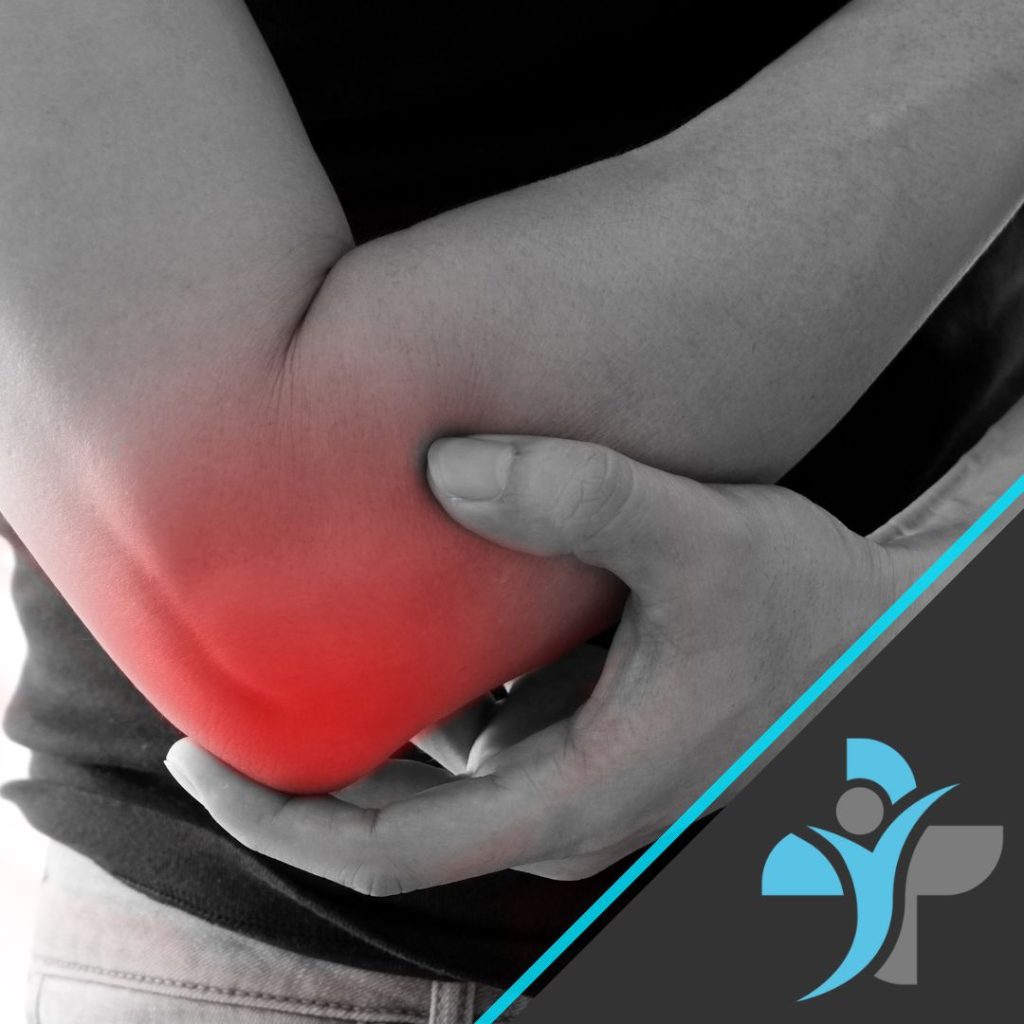
What is Tennis Elbow?

What is Tennis Elbow?

Tennis elbow, officially termed lateral epicondylitis, affects more than just athletes. This prevalent condition involves pain and inflammation in the tendons that link the forearm muscles to the outer part of the elbow.

Repetitive actions such as gripping, twisting, and lifting can often cause this ailment. Activities like going to your local gym, painting, carpentry, and even typing may trigger these motions, leading to small tears in the tendons. Consequently, this results in inflammation and discomfort on the elbow’s exterior, which can intensify with continued use. Symptoms may also include forearm weakness, reduced grip strength, elbow stiffness, and pain extending down the arm.

What is tennis elbow

To diagnose tennis elbow, a physical examination is typically performed alongside a review of your medical history and activities. Imaging tests might be used to exclude other potential conditions but in the main a sports therapist, physiotherapist or doctor can accurately diagnose this condition.

Treatment aims to alleviate pain, reduce inflammation, and facilitate healing. This can involve rest, ice application, specific physical therapy exercises, bracing, over-the-counter pain relievers, or sometimes corticosteroid injections. In general we see huge improvements in the condition through a well strategised and dianamic recoveyr and rehabilitation regime.

Preventing tennis elbow is crucial, particularly if your job or hobbies involves repetitive arm movements. It is important to warm up before engaging in such activities, maintain proper form, take regular breaks, strengthen forearm muscles, and use ergonomic tools when necessary.

If you think you might have tennis elbow, it’s important to consult a healthcare provider for a precise diagnosis and tailored treatment plan. With prompt intervention and appropriate care, you can effectively manage the condition and resume your regular activities. If you would like to read more about the condition, we have written an article that goes into much more detail which can be found here.

Alternatively if you would like to book one of our sports therapists or physiotherapists to conduct a thorough in person review, treatment and then provide you with the exercises to rehabilitate this condition then please either make a booking through our online booking system or contact us directly.

Nerve Impingement

Nerve impingement, also known as nerve compression or pinched nerve, is a condition in which a nerve is compressed or constricted, leading to pain, weakness, numbness, or tingling sensations in the affected area. This can occur in various parts of the body, including the neck, back, arms, and legs.
The pathology of nerve impingement involves pressure or constriction on the nerve, which can be caused by a variety of factors, such as injury, repetitive motions, poor posture, or degenerative conditions like arthritis. This pressure can lead to irritation and inflammation of the nerve, which can cause pain and other symptoms.
The occurrence of nerve impingement is quite common, especially as people age and degenerative changes occur in the spine. It can also be seen in people who perform repetitive motions or maintain poor posture for extended periods of time. Additionally, nerve impingement can result from injuries, such as whiplash or a herniated disc, or from conditions such as carpal tunnel syndrome or sciatica.

Anatomy

The human nervous system is comprised of a complex network of nerves that run throughout the body, transmitting signals between the brain and various tissues and organs. Nerves are made up of axons, which carry electrical signals, and are surrounded by a layer of protective tissue called myelin. Nerves can be affected by a variety of factors, including compression, entrapment, inflammation, and injury.


Symptoms

The symptoms of nerve impingement can vary depending on the location and severity of the impingement. Common symptoms may include pain, numbness, tingling, burning, or a feeling of pins and needles. In severe cases, nerve impingement can lead to muscle weakness, loss of sensation, and difficulty with movement.

Causes

Nerve impingement can be caused by a variety of factors, including physical trauma, repetitive motions, poor posture, and underlying medical conditions such as arthritis, diabetes, and nerve disorders. Other common causes of nerve impingement include spinal stenosis, herniated discs, and degenerative conditions such as spinal cord injuries.

People who are at a higher risk of developing nerve impingement include:

  • Individuals with certain medical conditions such as diabetes, arthritis, or other conditions that can cause nerve damage or inflammation.
  • Athletes and physically active individuals who engage in repetitive motions, such as running, cycling, or weightlifting, which can put stress on the nerves.
  • People who have a sedentary lifestyle and spend long hours sitting or working in positions that can put pressure on the nerves, such as office workers or truck drivers.
  • Individuals with a family history of nerve impingement, as this may suggest a genetic predisposition to the condition.
  • People who have suffered a previous injury, such as a fracture or dislocation, that may have damaged the nerves.

Diagnosis

The diagnosis of nerve impingement is typically based on a review of medical history, a physical examination, and diagnostic imaging tests such as MRI or CT scans. Nerve conduction studies and electromyography (EMG) tests can also be used to help diagnose nerve impingement and determine the severity of the injury.

It is important to note that while anyone can develop nerve impingement, early detection and proper treatment can greatly reduce the risk of developing long-term complications and help ensure a full recovery.

Treatment

Here are some of the treatment options for nerve impingement:

Rest: Resting the affected area can help reduce inflammation and give the nerve time to heal. You may need to avoid activities that aggravate your symptoms, such as heavy lifting, repetitive motions, or prolonged sitting or standing.

Physical therapy: Physical therapy can help improve your strength, flexibility, and posture, which can relieve pressure on the affected nerve. Your physical therapist may recommend exercises, stretches, or other techniques to help alleviate your symptoms.

Medications: Non-steroidal anti-inflammatory drugs (NSAIDs) like ibuprofen or naproxen can help reduce inflammation and relieve pain associated with nerve impingement. In some cases, corticosteroids may be prescribed to reduce inflammation and alleviate symptoms.

Injections: In some cases, injections of corticosteroids or other medications may be given directly into the affected area to reduce inflammation and alleviate symptoms.

Surgery: If conservative treatments are not effective, or if nerve impingement is causing significant weakness or loss of function, surgery may be recommended. The type of surgery will depend on the location and severity of the compression and may involve removing bone or tissue to relieve pressure on the affected nerve.

Lifestyle changes: Making lifestyle changes can help prevent or alleviate nerve impingement. This may include maintaining good posture, staying active, avoiding repetitive motions, and avoiding activities that put excessive strain on your nerves.

Exercises

Exercises to help relieve nerve impingement and prevent further damage may include:

  • Stretching: Gentle stretching exercises can help relieve pressure on the nerves and improve flexibility in the affected area.
  • Strengthening exercises: Targeting the muscles surrounding the affected nerve can help relieve pressure and prevent further damage.
  • Posture correction: Paying attention to posture and correcting any imbalances can help reduce stress on the nerves.
  • Aerobic exercises: Engaging in low-impact aerobic activities, such as swimming or walking, can help improve blood flow to the affected area and promote healing.
  • Yoga or Pilates: Gentle yoga or Pilates can help improve flexibility and strengthen the muscles surrounding the affected nerve.

It is important to consult with a doctor or physical therapist before beginning any exercise program, as they can help determine which exercises are best for your individual needs and ensure proper form and technique.

Prevention

Maintain Correct Posture:

Be mindful of your posture, especially when sitting or standing for long periods. Maintain a neutral spine position to reduce unnecessary stress on the spine and nerves.

Ergonomics:

Ensure that your workspace, whether at a desk or using electronic devices, is ergonomically designed to support good posture. Use supportive chairs, maintain eye-level screens, and take regular breaks to avoid prolonged periods of the same position.

Regular Exercise:

Engage in regular physical activity to strengthen the muscles that support the spine. Focus on exercises that promote core strength and flexibility, as a strong and flexible spine is less prone to nerve compression.

Correct Lifting Techniques:

When lifting objects, use proper lifting techniques to avoid putting excessive strain on the spine. Bend at the knees, keep the back straight, and lift with the legs rather than the back.

Weight Management:

Maintain a healthy weight to reduce the load on the spine. Excess body weight can contribute to conditions like herniated discs and spinal stenosis, increasing the risk of nerve impingement.

Stay Hydrated:

Hydration is essential for maintaining the elasticity of spinal discs. Dehydration can contribute to disc degeneration, which may increase the risk of nerve compression.

Avoid Repetitive Stress:

Be mindful of repetitive movements or activities that can strain specific nerves. If your work or hobbies involve repetitive motions, take breaks and incorporate stretching exercises to reduce the risk of overuse injuries.

Regular Stretching:

Include regular stretching exercises in your routine to maintain flexibility and prevent muscle imbalances. Focus on stretches that target the muscles around the spine, including the neck, back, and hips.

Quit Smoking:

Smoking has been associated with increased disc degeneration and reduced blood flow to spinal structures. Quitting smoking can contribute to overall spine health.

Proper Nutrition:

Maintain a balanced diet rich in essential nutrients, as proper nutrition supports the health of spinal structures. Calcium and vitamin D are particularly important for bone health.

Regular Check-ups:

Schedule regular check-ups with your healthcare provider to monitor your spine health. Early detection and management of spinal conditions can help prevent the progression to nerve impingement.